Instant Power: Your Briggs & Stratton 4-Step Tune-Up for Peak Performance in 30 Minutes
Date Released: 21 Nov 2025 Category: Blog
Do you look at your lawnmower or generator and hear the sound of a tired sigh instead of a powerful roar? You don’t need to spend hours troubleshooting or taking your machine to an expensive repair shop to bring the fire back to your trusty Briggs & Stratton engine.
We’ve distilled years of small engine expertise into a 30-minute, 4-step power tune-up that anyone can do. This isn't about deep mechanical repair; it’s about restoring the basics—fuel, fire, and airflow—to instantly boost performance, ensure one-pull starts, and make your equipment feel brand new. Grab a few basic tools and let’s dive into the quickest way to maximize your machine’s potential.
Step 1: The Spark Plug – Ignite the Power (5 Minutes)
The spark plug is the ignition switch for your engine. If it’s old, dirty, or worn, it creates a weak, inconsistent spark. This leads to hard starting, a rough idle, and wasted fuel. Think of it as a tiny, essential light bulb that needs to be bright and hot.
Safety First: Disconnect the spark plug wire and secure it away from the plug. This is a non-negotiable step to prevent accidental engine starts.
Unscrew and Inspect: Use a spark plug socket and wrench to gently remove the old plug. Take a look at the electrode tip. Is it covered in black soot? Is it oily? Is the ceramic cracked? Any of these issues mean it’s robbing you of power. Install New Firepower: The quickest fix is replacement. Screw in a new spark plug recommended for your engine model, and tighten it snugly. A fresh plug delivers a clean, strong spark every single time, solving most starting and running issues instantly. To Reconnect: Pop the spark plug wire back onto the new plug terminal. A fresh spark plug can shave seconds off your starting time and make the engine run smoother right out of the gate.
 Step 2: The Air Filter – Restore Its Breath (5 Minutes)
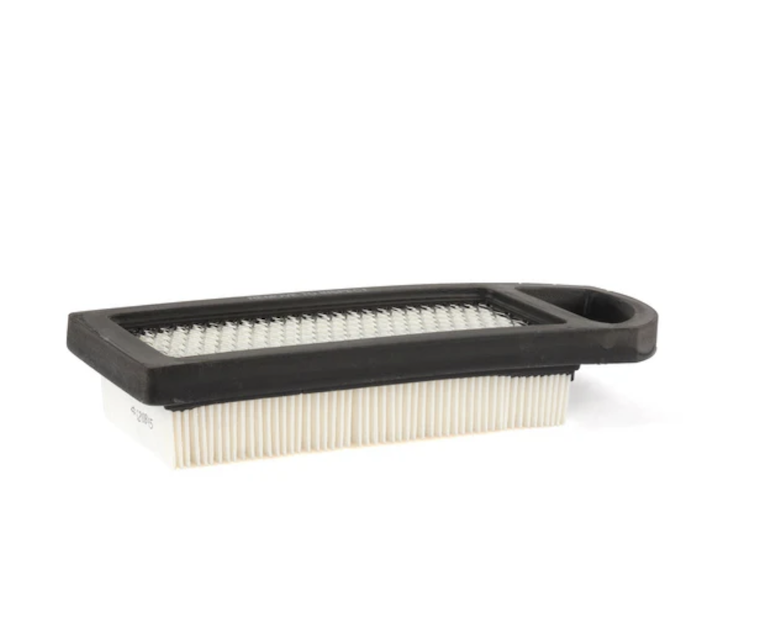
Your engine needs a perfect mix of fuel and air to produce peak power. When the air filter gets clogged with dust, dirt, or dried grass, the engine essentially chokes itself, running rich and losing massive amounts of power. A clogged filter is like trying to run a marathon while breathing through a thick cloth.
Locate and Open: Find the air filter cover (usually a plastic box or shroud on the side of the engine) and remove it. Remove and Assess: Take out the old filter element. If it’s paper, hold it up to the light. If you can’t easily see light shining through the paper, it’s severely clogged. If it’s oily, torn, or black with dirt, it's garbage. Install Clean Air: Drop a brand-new, clean air filter cartridge or foam pre-cleaner into the housing. This simple, inexpensive component immediately ensures your engine is pulling in the maximum volume of clean, unrestricted air.
Replace the cover securely. You'll often hear the immediate difference when you start the engine—it will breathe easier and sound more powerful.
Replacing a dirty air filter is one of the most effective ways to instantly restore horsepower and improve fuel efficiency in a small engine.{/li}
Step 3: The Fuel System – Banishing the Gunk (10 Minutes)
Stale or contaminated fuel is the silent killer of small engines. If your equipment sat for weeks or months with untreated fuel, sticky varnish has likely gummed up your carburetor, causing surging, stalling, or a complete refusal to start.
While a complete carburetor cleaning takes hours, we can perform a quick, powerful detox to get you back on the job.
Drain the Bad: If the fuel in your tank is dark, smells sour, or has been sitting for months without stabilizer, you must drain it into an approved container. That old fuel is useless and harmful. Add the Cure: Refill the tank with brand-new, clean unleaded gasoline. Stabilize and Cleanse: Add a concentrated dose of a high-quality fuel system cleaner and stabilizer (like Sea Foam or Briggs & Stratton’s Fuel Fit) to this fresh tank. The concentration of the cleaner will work aggressively to dissolve minor varnish and gum deposits in the carburetor jets and fuel lines while you run the machine. Circulate: Start the engine and let it run for about 5 to 10 minutes. This circulates the powerful cleaning solution throughout the entire fuel system. Maintenance Tip: Going forward, always use stabilizer with every fresh tank of fuel to prevent this problem from ever happening again.
Step 4: Engine Exterior – The Cooling Command (10 Minutes)
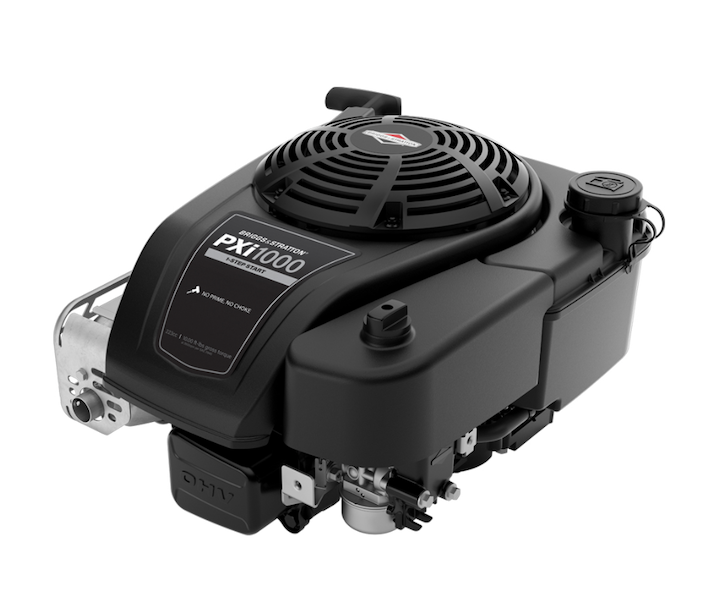 Briggs & Stratton engines are air-cooled, which means they use air flowing over metal cooling fins to prevent deadly overheating. If these fins are covered in grass clippings, dirt, and debris, your engine will run dangerously hot, drastically shortening its life and causing power loss.
Remove the Shroud (Optional but Recommended): On some equipment, you may need to remove the main engine housing or shroud (usually held on by a few bolts) to access the fins properly. Scrape and Brush: Use an old toothbrush, a plastic scraper, or compressed air (if you have it) to meticulously clean the grass and gunk off the cooling fins, which are the rows of metal ridges on the engine block. Pay special attention to the area around the spark plug and the muffler. Clear the Vents: Ensure the fan intake vents (often found near the pull-cord assembly or flywheel) are completely clear of obstruction. This is where the cooling air first enters the engine. General Wipe Down: Give the entire engine a quick wipe with a clean rag. A clean engine runs cooler, lasts longer, and is easier to spot future leaks on.
By clearing the cooling fins, you ensure the engine operates at its designed temperature, preventing overheating damage and maintaining consistent power delivery, especially during long work sessions.
We’ve distilled years of small engine expertise into a 30-minute, 4-step power tune-up that anyone can do. This isn't about deep mechanical repair; it’s about restoring the basics—fuel, fire, and airflow—to instantly boost performance, ensure one-pull starts, and make your equipment feel brand new. Grab a few basic tools and let’s dive into the quickest way to maximize your machine’s potential.
The 30-Minute Power Boost Plan
This simple routine focuses on the four most neglected components that directly impact power and starting reliability. By targeting these areas, we get the fastest, most noticeable results.Step 1: The Spark Plug – Ignite the Power (5 Minutes)
The spark plug is the ignition switch for your engine. If it’s old, dirty, or worn, it creates a weak, inconsistent spark. This leads to hard starting, a rough idle, and wasted fuel. Think of it as a tiny, essential light bulb that needs to be bright and hot.
Safety First: Disconnect the spark plug wire and secure it away from the plug. This is a non-negotiable step to prevent accidental engine starts.
Your engine needs a perfect mix of fuel and air to produce peak power. When the air filter gets clogged with dust, dirt, or dried grass, the engine essentially chokes itself, running rich and losing massive amounts of power. A clogged filter is like trying to run a marathon while breathing through a thick cloth.
Replace the cover securely. You'll often hear the immediate difference when you start the engine—it will breathe easier and sound more powerful.
Replacing a dirty air filter is one of the most effective ways to instantly restore horsepower and improve fuel efficiency in a small engine.{/li}
Step 3: The Fuel System – Banishing the Gunk (10 Minutes)
Stale or contaminated fuel is the silent killer of small engines. If your equipment sat for weeks or months with untreated fuel, sticky varnish has likely gummed up your carburetor, causing surging, stalling, or a complete refusal to start.
While a complete carburetor cleaning takes hours, we can perform a quick, powerful detox to get you back on the job.
Step 4: Engine Exterior – The Cooling Command (10 Minutes)
By clearing the cooling fins, you ensure the engine operates at its designed temperature, preventing overheating damage and maintaining consistent power delivery, especially during long work sessions.