Oil Puddle Under Your Mower Every Morning? The 3 Gaskets That Usually Leak on Briggs Engines
Date Released: 8 Jan 2026 Category: Blog
You know that sinking feeling when you go to get your mower out and there's a dark puddle underneath? Your garage floor is gradually collecting oil spots, and you're checking the oil level more often than you'd like.
Before you panic about major engine damage, take a breath. Most oil leaks on Briggs engines aren't catastrophic. They're almost always just gaskets that have worn out. We're talking about three specific gaskets that cause 90% of oil leaks, and they're all cheap enough to fix without breaking the bank.
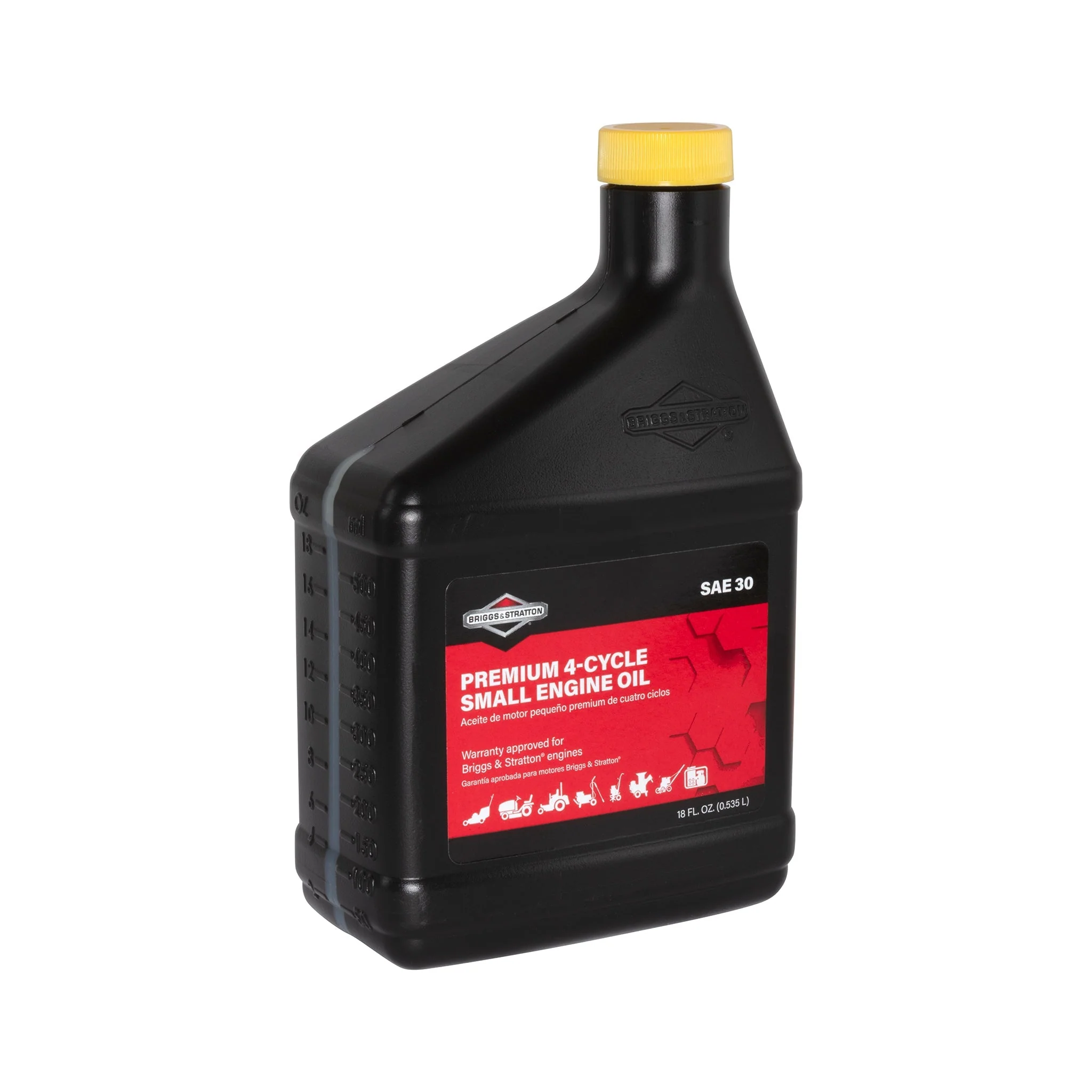 Most oil leaks are external gasket failures, not internal engine problems. The engine itself is usually fine. It's just that the gaskets keeping oil contained have reached the end of their service life.
Gaskets are made from materials (cork, paper, rubber composites) designed to compress and seal between metal surfaces. Over time, they harden, crack, or wear out from heat, vibration, and oil exposure. One gasket fails and suddenly you're adding oil regularly. It's just gaskets aging out, not engine failure.
The Valve Cover Gasket seals the rocker cover on the side or top of the engine. When this fails, you'll see oil seeping from around the valve cover, often running down the side of the engine block. This gasket gets direct exposure to hot oil vapour and the intense heat from the exhaust valve area, so it's under real stress.
The Oil Drain Plug Seal is the simplest culprit. It's just a small washer or gasket that seals the drain plug at the bottom of the sump. If you've changed oil a few times and reused the same washer, it's probably compressed and no longer sealing properly. You'll see drips specifically from the plug area.
Run the engine for a few minutes to get it hot, then shut it down. Look for the highest point of oil wetness. Oil runs downward, so the leak will always be above the puddle.
Check the drain plug. Is the area around it wet? That's a simple answer.
A torch and patience will reveal the source. The oil will be freshest at the actual leak point.
Drain the oil completely and remove the sump pan (usually 4-6 bolts around the edge). Remove the old gasket and clean both surfaces thoroughly. Any old material left behind will cause immediate leaks. Fit the new sump gasket. Most don't need sealant, though a thin smear doesn't hurt. Bolt the sump back on in a cross-pattern, snug but not too tight. Refill with fresh oil and check for leaks.
A sump gasket costs £4-8.
Remove the valve cover (usually 2-4 bolts). You might need to disconnect the breather tube first. Take out the old gasket and clean both surfaces thoroughly. Fit the new gasket and bolt the cover back on. Run the engine and check. The leak should be gone. Valve cover gaskets cost £3-7.
Drain the oil (probably due for a change anyway). Remove the drain plug and check the washer. If it's flat, hard, or cracked, replace it. Fit a new copper or fibre washer (literally pennies) and tighten the plug. Not too tight or you'll strip the threads. Refill with oil and check for drips.
Additionally, the crankshaft seals can leak, though this is less common. You'd see oil from where the crankshaft exits the block.
But start with the three main gaskets - they're far more likely and easier to fix.
Don't overfill the oil. Too much creates pressure that forces oil past gaskets. Change oil regularly. Fresh oil is less likely to degrade gaskets. Keep cooling fins clean. Overheating accelerates gasket degradation. Use the right oil grade for your engine and climate.
 "It's only a small leak, I'll just top up the oil" is dangerous thinking. Here's why:
You're losing oil, which means the engine might run low if you forget to check. Low oil causes catastrophic engine damage. Leaked oil creates a fire risk, especially around hot exhaust components. Oil on your garage floor is a slip hazard and a pain to clean. The environment doesn't appreciate engine oil being dripped everywhere either. Fixing gaskets costs under £20 in parts and a couple of hours. Replacing a seized engine costs hundreds. The choice is obvious.
For less than £20 in parts and an afternoon's work, you can have your engine sealed up and leak-free. No more puddles, no more topping up oil every other use, no more worrying about engine damage from running low.
Your garage floor will thank you. Your engine will thank you. And you'll have saved yourself the cost of a repair shop visit or a premature engine replacement.
Sort those gaskets and keep that oil where it belongs: inside the engine.
Before you panic about major engine damage, take a breath. Most oil leaks on Briggs engines aren't catastrophic. They're almost always just gaskets that have worn out. We're talking about three specific gaskets that cause 90% of oil leaks, and they're all cheap enough to fix without breaking the bank.
Why Briggs Engines Leak Oil
Gaskets are made from materials (cork, paper, rubber composites) designed to compress and seal between metal surfaces. Over time, they harden, crack, or wear out from heat, vibration, and oil exposure. One gasket fails and suddenly you're adding oil regularly. It's just gaskets aging out, not engine failure.
The Three Main Culprits
The Sump Gasket (also called the crankcase gasket) sits between the engine block and the sump pan at the bottom. This is the most common leak source. You'll see oil dripping from the bottom of the engine, often collecting on the underside before dropping off. The sump gasket fails because it's exposed to constant heat from hot oil below and vibration from the engine running. After a few years, it hardens and starts to leak.The Valve Cover Gasket seals the rocker cover on the side or top of the engine. When this fails, you'll see oil seeping from around the valve cover, often running down the side of the engine block. This gasket gets direct exposure to hot oil vapour and the intense heat from the exhaust valve area, so it's under real stress.
The Oil Drain Plug Seal is the simplest culprit. It's just a small washer or gasket that seals the drain plug at the bottom of the sump. If you've changed oil a few times and reused the same washer, it's probably compressed and no longer sealing properly. You'll see drips specifically from the plug area.
How to Work Out Which One's Leaking
Clean the engine thoroughly with degreaser. Get rid of old oil residue so you can see fresh leaks.Check the drain plug. Is the area around it wet? That's a simple answer.
A torch and patience will reveal the source. The oil will be freshest at the actual leak point.
Fixing the Sump Gasket Leak
A sump gasket costs £4-8.
Fixing the Valve Cover Gasket Leak
Fixing the Oil Drain Plug Leak
When It's Not a Gasket
There are some other options. For instance, the dipstick tube can crack or work loose, so check it's seated properly. The breather system can push oil out if blocked. This shows as oil around the breather valve or air filter.Additionally, the crankshaft seals can leak, though this is less common. You'd see oil from where the crankshaft exits the block.
But start with the three main gaskets - they're far more likely and easier to fix.
Preventing Future Leaks
The Cost of Ignoring It
The Bottom Line
An oil leak looks serious and messy, and there's something deeply frustrating about finding puddles where you park your equipment. But on a Briggs engine, it's almost always a simple gasket failure rather than anything terminal.For less than £20 in parts and an afternoon's work, you can have your engine sealed up and leak-free. No more puddles, no more topping up oil every other use, no more worrying about engine damage from running low.
Your garage floor will thank you. Your engine will thank you. And you'll have saved yourself the cost of a repair shop visit or a premature engine replacement.
Sort those gaskets and keep that oil where it belongs: inside the engine.