Starter Rope Snapped or Won't Rewind?
Date Released: 2 Mar 2026 Category: Blog
There's that moment of mild panic when you pull the starter cord on your mower and instead of the satisfying resistance of the engine turning over, the rope just flies out with no effort at all. Either it's snapped clean off and you're left holding the handle with a short stub of rope, or it pulls out fine but won't retract back into the housing when you let go.
Both problems point to the same culprit, your recoil spring has either broken or lost its tension. The good news is that this is one of the simpler Briggs & Stratton repairs you can tackle yourself, and it genuinely does only take about ten minutes once you know what you're doing.
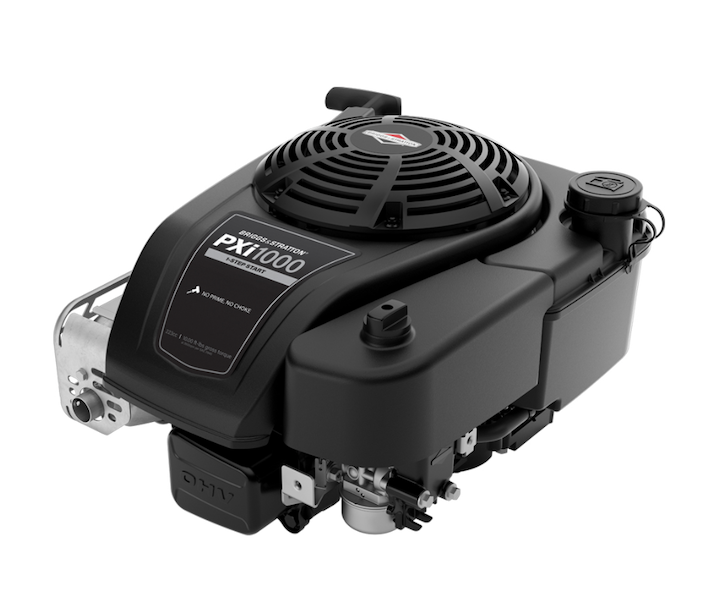
When you pull the starter rope, you're unwinding that spring and making it tighter. When you let go of the rope, the spring wants to return to its relaxed state, so it spins the pulley backwards and winds the rope back in. It's the same principle as a tape measure, simple but effective.
Over time and use, that spring can break or lose its tension. Sometimes it snaps completely, other times the end comes unhooked from its mounting point. Either way, the result is the same, no tension to pull the rope back in.
The rope itself can also snap, usually where the knot sits against the pulley. This happens more often when the rope gets old and frayed, or if someone's been pulling the starter cord too aggressively. When the rope snaps, you're not going anywhere until it's replaced.
You'll want to get the recoil spring that matches your engine model. They're not all the same size, and getting the wrong one means it either won't fit or won't provide enough tension. Your local mower shop or Briggs dealer can sort you out with the right parts if you give them your engine model number.
For tools, you just need a screwdriver to remove the housing, and maybe a pair of pliers. Some people like to use a pair of vice grips to hold the spring whilst they're working with it, but you can manage without if you're careful.
Safety glasses are a very good idea. Recoil springs are under tension and if one lets go unexpectedly, it can whip around and cause a nasty injury. It doesn't happen often, but it's not worth the risk.
Before you undo these, make a note of any cables or linkages attached to the housing. There might be a throttle cable clamp that needs removing first. Just pay attention to how everything sits so you can put it back the same way.
With the bolts out, the whole starter housing lifts off. You might need to wiggle it a bit if it's been on there for years, but it should come away without too much force. Put it somewhere flat where you can work on it comfortably.
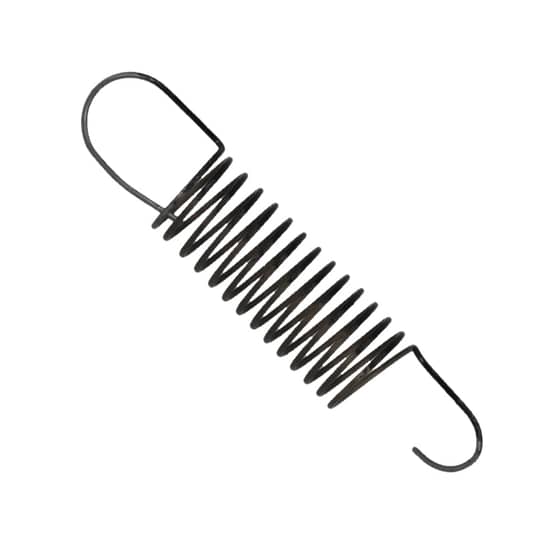
The safest approach is to carefully remove the centre fastener whilst keeping a hand on the pulley. If it spins, let it, just control it so it doesn't whip around. If the spring is completely broken, nothing will happen.
With the pulley free, lift it out of the housing. The old spring will either come out with it or stay in the housing, depending on how it's broken. Either way, you can now see what you're working with.
If you're replacing a broken spring, the new one will come tightly coiled and held together with wire or cable ties. Don't cut these yet. The spring wants to uncoil and if you let it go, you'll have a devil of a time getting it back into shape.
Start by hooking the inner end of the spring to the centre of the pulley. There's a slot or tab that it hooks onto. With that secured, you're going to feed the spring into the housing whilst it's still coiled up.
Hold the coiled spring firmly, or use vice grips to keep it from unwinding. Position the outer end of the spring at the slot in the housing where it hooks in. Thread the spring through this slot, making sure the end is properly engaged.
Now comes the slightly fiddly bit. You need to let the spring uncoil into the housing whilst guiding it so it sits flat and doesn't tangle. Some people do this by slowly releasing the coils, others prefer to use a flat tool to help guide it into place. Either way, take your time and don't let it spring out uncontrolled.
Once the spring is fully in the housing with both ends hooked up correctly, you can fit the pulley back on top of it. The inner end of the spring should engage with the pulley properly. Give the pulley a gentle turn and you should feel the spring resisting. If there's no resistance, something isn't hooked up right.
Now you need to line up the hole in the pulley with the hole in the housing where the rope comes out. Hold the pulley in this position, you might need a screwdriver poked through both holes to keep it still.
Thread your new rope through the hole in the housing, then through the hole in the pulley. Tie a proper knot on the pulley end, a simple overhand knot works fine but make sure it's big enough that it won't pull through the hole.
Feed enough rope through to reach the handle with a bit spare. Cut the rope to length, remembering that the pulley will pull some of it back in when you release the tension. Melt the cut end with a lighter to stop it fraying.
Fit the handle onto the other end of the rope and tie another knot. Some handles have a proper anchor point, others just rely on a knot being too big to pull through. Either way, make sure it's secure.

Give the rope a few test pulls. It should come out smoothly and retract positively when you let go. If it feels weak or doesn't retract all the way, you need more pre-tension. Remove the rope, wind the pulley a bit tighter, and try again.
Once you're happy with how it's working, refit the centre screw or clip that holds the pulley in place. Make sure everything is secure before you put the housing back on the engine.
Reconnect any throttle cables or other bits you removed, and put the plastic cover back on if there is one. Give the starter rope one more test pull before you try actually starting the engine, just to make sure everything is working smoothly.
The job really is that straightforward. A broken recoil spring or rope feels like it should be complicated to fix, but once you understand how the mechanism works, it's actually one of the easier Briggs repairs. For the cost of a couple of quid in parts and ten minutes of your time, you're back in business.
Just remember those safety glasses, and don't let a compressed spring catch you by surprise. Treat it with a bit of respect and the repair is perfectly safe and very satisfying to complete yourself.
Both problems point to the same culprit, your recoil spring has either broken or lost its tension. The good news is that this is one of the simpler Briggs & Stratton repairs you can tackle yourself, and it genuinely does only take about ten minutes once you know what you're doing.
Understanding What's Actually Broken
The recoil starter on your Briggs engine is wonderfully simple. Inside that plastic housing on top of the engine, there's a pulley with your starter rope wound around it. Attached to that pulley is a coiled spring, the recoil spring, which is what pulls the rope back in after you've yanked it out.When you pull the starter rope, you're unwinding that spring and making it tighter. When you let go of the rope, the spring wants to return to its relaxed state, so it spins the pulley backwards and winds the rope back in. It's the same principle as a tape measure, simple but effective.
Over time and use, that spring can break or lose its tension. Sometimes it snaps completely, other times the end comes unhooked from its mounting point. Either way, the result is the same, no tension to pull the rope back in.
The rope itself can also snap, usually where the knot sits against the pulley. This happens more often when the rope gets old and frayed, or if someone's been pulling the starter cord too aggressively. When the rope snaps, you're not going anywhere until it's replaced.
What You'll Need
The parts you need are cheap and readily available. A new recoil spring costs a couple of quid, and starter rope is sold by the metre for next to nothing. Get proper starter rope rather than using any old cord, it's designed to withstand the constant flexing and load.You'll want to get the recoil spring that matches your engine model. They're not all the same size, and getting the wrong one means it either won't fit or won't provide enough tension. Your local mower shop or Briggs dealer can sort you out with the right parts if you give them your engine model number.
For tools, you just need a screwdriver to remove the housing, and maybe a pair of pliers. Some people like to use a pair of vice grips to hold the spring whilst they're working with it, but you can manage without if you're careful.
Safety glasses are a very good idea. Recoil springs are under tension and if one lets go unexpectedly, it can whip around and cause a nasty injury. It doesn't happen often, but it's not worth the risk.
Getting the Recoil Housing Off
Start by removing the plastic engine cover if your mower has one. This just clips or screws in place. Then you need to get the metal starter housing off the engine. There will be three or four bolts holding it to the engine block, usually around the edge of the housing.Before you undo these, make a note of any cables or linkages attached to the housing. There might be a throttle cable clamp that needs removing first. Just pay attention to how everything sits so you can put it back the same way.
With the bolts out, the whole starter housing lifts off. You might need to wiggle it a bit if it's been on there for years, but it should come away without too much force. Put it somewhere flat where you can work on it comfortably.
Dealing with the Spring
This is the bit where you need to be cautious. Turn the housing over so you're looking at the back of it, where the pulley sits. There will be a screw or clip holding the pulley in place. Before you remove this, be aware that if the spring still has any tension in it, the pulley will try to spin when you release it.The safest approach is to carefully remove the centre fastener whilst keeping a hand on the pulley. If it spins, let it, just control it so it doesn't whip around. If the spring is completely broken, nothing will happen.
With the pulley free, lift it out of the housing. The old spring will either come out with it or stay in the housing, depending on how it's broken. Either way, you can now see what you're working with.
If you're replacing a broken spring, the new one will come tightly coiled and held together with wire or cable ties. Don't cut these yet. The spring wants to uncoil and if you let it go, you'll have a devil of a time getting it back into shape.
Installing the New Spring
This is where different people have different techniques, but here's the straightforward method that works reliably. The spring has two ends, an inner end that hooks to the pulley and an outer end that hooks to the housing.Start by hooking the inner end of the spring to the centre of the pulley. There's a slot or tab that it hooks onto. With that secured, you're going to feed the spring into the housing whilst it's still coiled up.
Hold the coiled spring firmly, or use vice grips to keep it from unwinding. Position the outer end of the spring at the slot in the housing where it hooks in. Thread the spring through this slot, making sure the end is properly engaged.
Now comes the slightly fiddly bit. You need to let the spring uncoil into the housing whilst guiding it so it sits flat and doesn't tangle. Some people do this by slowly releasing the coils, others prefer to use a flat tool to help guide it into place. Either way, take your time and don't let it spring out uncontrolled.
Once the spring is fully in the housing with both ends hooked up correctly, you can fit the pulley back on top of it. The inner end of the spring should engage with the pulley properly. Give the pulley a gentle turn and you should feel the spring resisting. If there's no resistance, something isn't hooked up right.
Replacing the Rope and Tensioning
With the spring in place, you need to wind some tension into it before you fit the rope. This is what makes the rope retract properly. Turn the pulley against the spring tension until it won't turn any further, then back it off by about half a turn. This pre-tensions the spring nicely.Now you need to line up the hole in the pulley with the hole in the housing where the rope comes out. Hold the pulley in this position, you might need a screwdriver poked through both holes to keep it still.
Thread your new rope through the hole in the housing, then through the hole in the pulley. Tie a proper knot on the pulley end, a simple overhand knot works fine but make sure it's big enough that it won't pull through the hole.
Feed enough rope through to reach the handle with a bit spare. Cut the rope to length, remembering that the pulley will pull some of it back in when you release the tension. Melt the cut end with a lighter to stop it fraying.
Fit the handle onto the other end of the rope and tie another knot. Some handles have a proper anchor point, others just rely on a knot being too big to pull through. Either way, make sure it's secure.
The Moment of Truth
Now release the tension on the pulley, either by removing your screwdriver or letting go carefully. The spring should pull the rope in smoothly, winding it around the pulley. If it doesn't, you might not have enough pre-tension in the spring, or something isn't engaged properly.Give the rope a few test pulls. It should come out smoothly and retract positively when you let go. If it feels weak or doesn't retract all the way, you need more pre-tension. Remove the rope, wind the pulley a bit tighter, and try again.
Once you're happy with how it's working, refit the centre screw or clip that holds the pulley in place. Make sure everything is secure before you put the housing back on the engine.
Putting It All Back Together
Refit the starter housing to the engine, lining up any bolt holes and making sure cables or linkages go back where they came from. Tighten the bolts evenly, you don't need to go crazy but they should be snug.Reconnect any throttle cables or other bits you removed, and put the plastic cover back on if there is one. Give the starter rope one more test pull before you try actually starting the engine, just to make sure everything is working smoothly.
The job really is that straightforward. A broken recoil spring or rope feels like it should be complicated to fix, but once you understand how the mechanism works, it's actually one of the easier Briggs repairs. For the cost of a couple of quid in parts and ten minutes of your time, you're back in business.
Just remember those safety glasses, and don't let a compressed spring catch you by surprise. Treat it with a bit of respect and the repair is perfectly safe and very satisfying to complete yourself.