Stop! The STA-BIL Secret to Briggs & Stratton Winter Storage Success
Date Released: 24 Nov 2025 Category: Blog
As the leaves fall and the cold weather rolls in, it’s tempting to just park your lawnmower, pressure washer, or generator in the corner of the garage and forget about it. Stop right there! If you’ve got a trusty Briggs & Stratton engine, hitting the "off" switch isn't the final step—it’s the beginning of a crucial process.
You've heard the horror stories: spring arrives, you pull the cord, and… nothing. Or maybe it coughs, sputters, and runs terribly. Nine times out of ten, the villain in this story is bad fuel left sitting over the winter. The good news? The solution is cheap, simple, and takes just a few extra minutes: it’s the STA-BIL Secret.
Over the long winter months, two bad things happen inside your fuel tank and carburetor:
Water Contamination: The ethanol absorbs water, which eventually separates and settles to the bottom. When you try to start the engine in spring, it tries to ignite water instead of fuel. Varnish Attack: The gasoline itself breaks down. It evaporates and leaves behind a sticky, shellac-like residue called varnish. This varnish clogs the tiny, microscopic jets inside your carburetor. When those jets are clogged, the engine starves for fuel and can’t run properly.
Leaving untreated gas in your machine is essentially setting a trap for yourself in the spring. This is where the magic of a high-quality fuel stabilizer, like STA-BIL, comes in. Stabilizer is not a cleaner; it's a chemical time capsule. It interrupts the chemical reaction that causes the fuel to break down and stops the absorption of moisture. Using it is the single most important step for winter storage.
 Step 1: Add the Dose (2 Minutes)
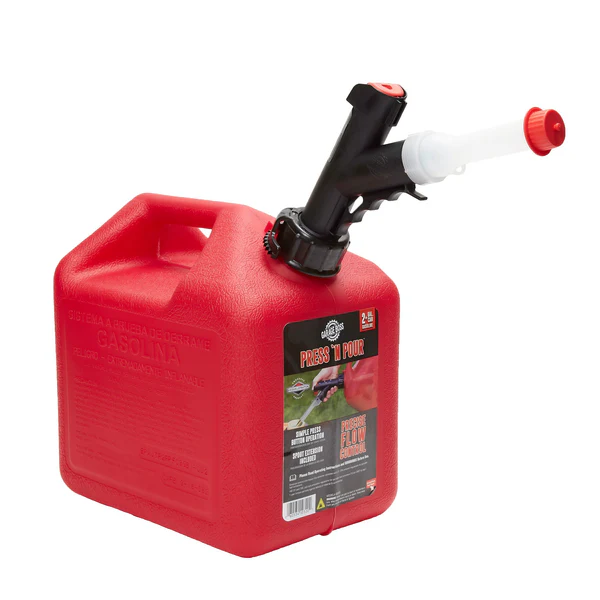
Before you put your equipment away for the season, pour the correct amount of fuel stabilizer directly into the gas tank. Always follow the instructions on the bottle for the amount to add based on how much fuel is currently in your tank. It's often best to top off the tank with fuel after adding the stabilizer, as a full tank leaves less room for moist air to circulate.
Step 2: Run the Engine (5 Minutes)
This step is absolutely vital. Start your Briggs & Stratton engine and let it run for 5 to 10 minutes. The warmth of the running engine helps the stabilizer mix thoroughly with the gasoline, and more importantly, it sucks the stabilized fuel from the tank, through the fuel line, and into the carburetor's core.
Step 3: Change the Oil (10 Minutes)
While the engine is still warm (which helps the old oil drain faster), change the oil and, if equipped, the oil filter. Why now? Used oil is full of combustion byproducts and acids. You don’t want those harmful chemicals sitting against the internal engine parts all winter long. Starting the spring with fresh oil ensures maximum protection from Day One.
Step 4: Give It a Bath (5 Minutes)
With the fuel system protected and the oil fresh, give the engine exterior a quick cleaning. Use a rag or a soft brush to clear away any grass clippings, dirt, or debris from the cooling fins. If gunk sits there all winter, it can trap moisture and even cause mild corrosion. Ensure the entire area around the muffler is spotless to eliminate any fire hazards before storage.
Step 5: Final Shut Down (3 Minutes)
After running the engine with the stabilizer, you have two options for the final shutdown:
The Full Tank Method: Simply turn the engine off. The entire system is now protected with stabilized fuel. This is the recommended method for most homeowners. The Dry Tank Method: Turn off the fuel valve (if your engine has one) and let the engine run until it completely sputters out and dies. This empties the carburetor bowl, preventing any fuel from sitting and varnishing. The remaining drops of fuel are still stabilized, offering protection to the jets.

You've heard the horror stories: spring arrives, you pull the cord, and… nothing. Or maybe it coughs, sputters, and runs terribly. Nine times out of ten, the villain in this story is bad fuel left sitting over the winter. The good news? The solution is cheap, simple, and takes just a few extra minutes: it’s the STA-BIL Secret.
The Winter Fuel Trap: Why Your Engine Hates Sitting Still
Your Briggs & Stratton engine is a champion, but modern gasoline is its weakness when stored. This isn't your granddad's gas; it’s loaded with ethanol, an alcohol that is brilliant at pulling moisture right out of the air.Over the long winter months, two bad things happen inside your fuel tank and carburetor:
Leaving untreated gas in your machine is essentially setting a trap for yourself in the spring. This is where the magic of a high-quality fuel stabilizer, like STA-BIL, comes in. Stabilizer is not a cleaner; it's a chemical time capsule. It interrupts the chemical reaction that causes the fuel to break down and stops the absorption of moisture. Using it is the single most important step for winter storage.
How to Apply the Secret in 5 Simple Steps
The goal is to ensure the stabilized fuel reaches every part of the fuel system—the tank, the fuel line, and the carburetor.Before you put your equipment away for the season, pour the correct amount of fuel stabilizer directly into the gas tank. Always follow the instructions on the bottle for the amount to add based on how much fuel is currently in your tank. It's often best to top off the tank with fuel after adding the stabilizer, as a full tank leaves less room for moist air to circulate.
Step 2: Run the Engine (5 Minutes)
This step is absolutely vital. Start your Briggs & Stratton engine and let it run for 5 to 10 minutes. The warmth of the running engine helps the stabilizer mix thoroughly with the gasoline, and more importantly, it sucks the stabilized fuel from the tank, through the fuel line, and into the carburetor's core.
Step 3: Change the Oil (10 Minutes)
While the engine is still warm (which helps the old oil drain faster), change the oil and, if equipped, the oil filter. Why now? Used oil is full of combustion byproducts and acids. You don’t want those harmful chemicals sitting against the internal engine parts all winter long. Starting the spring with fresh oil ensures maximum protection from Day One.
Step 4: Give It a Bath (5 Minutes)
With the fuel system protected and the oil fresh, give the engine exterior a quick cleaning. Use a rag or a soft brush to clear away any grass clippings, dirt, or debris from the cooling fins. If gunk sits there all winter, it can trap moisture and even cause mild corrosion. Ensure the entire area around the muffler is spotless to eliminate any fire hazards before storage.
Step 5: Final Shut Down (3 Minutes)
After running the engine with the stabilizer, you have two options for the final shutdown: