The £12 Part That Could Save Your £400 Engine
Date Released: 15 Dec 2025 Category: Blog
Your Briggs & Stratton engine is humming along nicely. The lawn's getting mowed, the pressure washer's blasting away, or your generator's keeping the lights on. Everything seems fine, so when that little air filter looks a bit dusty, it's tempting to think "I'll sort that next month."
Then one day, your engine starts running rough. Maybe it's losing power, drinking fuel like there's no tomorrow, or belching out smoke. You take it to a repair shop, and the mechanic delivers the bad news: "Your engine's got significant internal damage. We're looking at £300-400 for a rebuild, maybe more."
All because of a £12 air filter you kept meaning to replace.
Sound dramatic? It happens more often than you'd think. In fact, neglected air filters are one of the leading causes of premature engine failure in lawn mowers, generators, and other garden equipment. Let's talk about why this cheap little component deserves far more respect than it usually gets.
The problem? That air is full of nasties. Grass clippings, dust, pollen, soil particles, seeds, and all manner of microscopic debris that would love nothing more than to get inside your engine. Your air filter's job is to stop them at the door.
A clean filter catches these contaminants while allowing plenty of air through. A dirty or damaged filter? That's where the trouble starts.
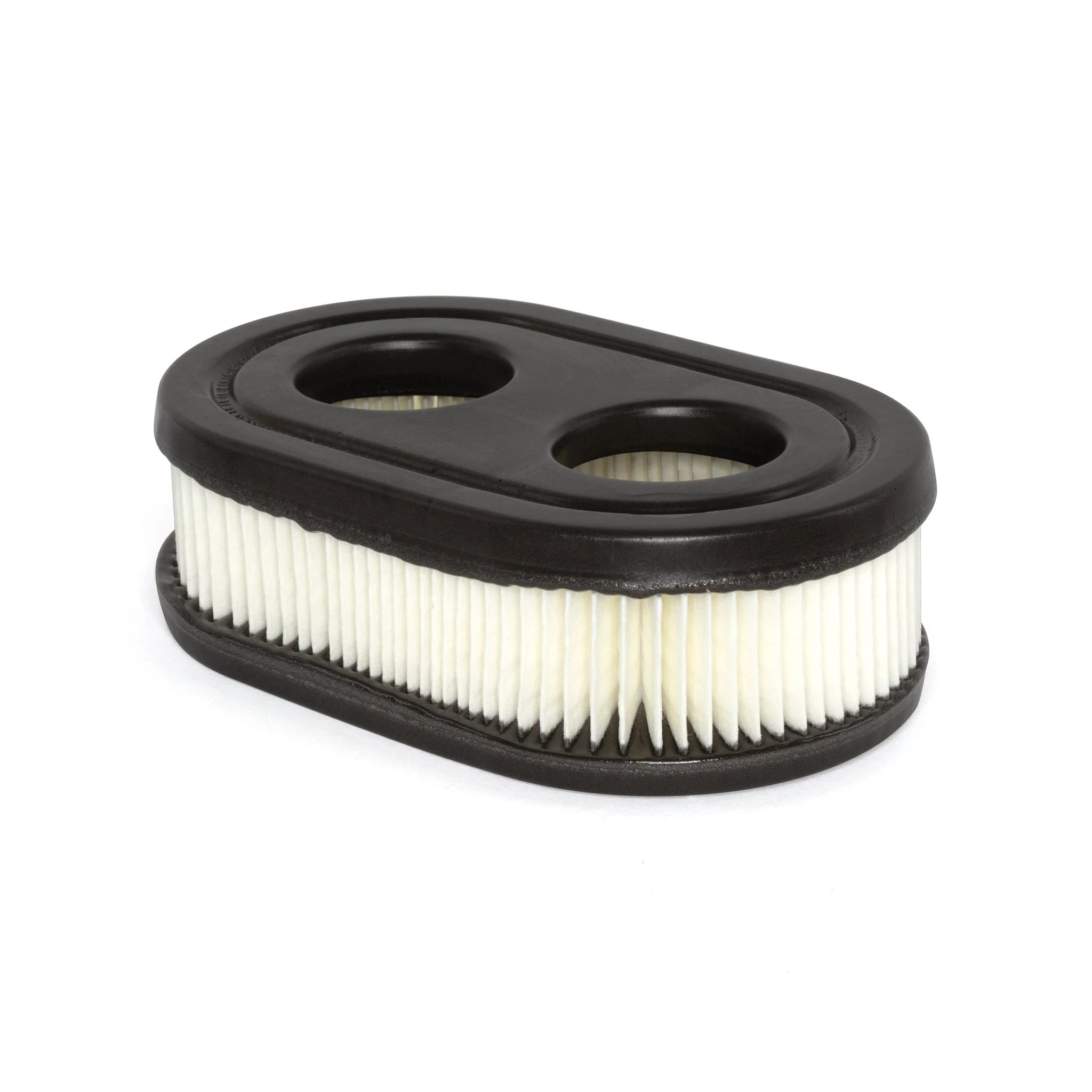
Scenario One: The Clogged Filter
When your air filter gets packed with dirt and debris, it restricts airflow. Your engine is now gasping for breath, trying to pull air through what's essentially become a solid barrier. This creates a "rich" fuel mixture—too much fuel, not enough air.
Here's what happens next: Incomplete combustion leaves carbon deposits throughout the engine. Spark plugs foul and need frequent replacement. Fuel consumption increases noticeably (you'll see this at the pump). Power output drops—your mower struggles through grass it used to handle easily. Excess fuel washes oil from cylinder walls, accelerating wear. Carbon buildup eventually causes valve problems and compression loss.
We've seen lawn mowers that burned nearly double their normal fuel consumption, purely because the owner hadn't changed the air filter in two seasons. The owner thought they had a carburetor problem and was ready to spend £80-100 on a rebuild. The fix? A £12 air filter.
These microscopic particles act like liquid sandpaper inside your engine:
They score cylinder walls, destroying the seal between piston and cylinder They contaminate the oil, turning it into an abrasive slurry They damage bearings and other precision surfaces They accelerate wear on the camshaft and valve train They work their way into every moving part, causing premature failure throughout the engine
For instance, one customer brought a generator that had been running fine but suddenly seized up after just 50 hours of use. When the repair technician tore it down, the cylinder walls looked like someone had taken sandpaper to them. The culprit? A foam air filter that had deteriorated, allowing dust from their dusty workshop to pour straight into the engine. They'd spent £500 on the generator eighteen months earlier. Now it needed a £380 rebuild.
The air filter? They'd never checked it once.
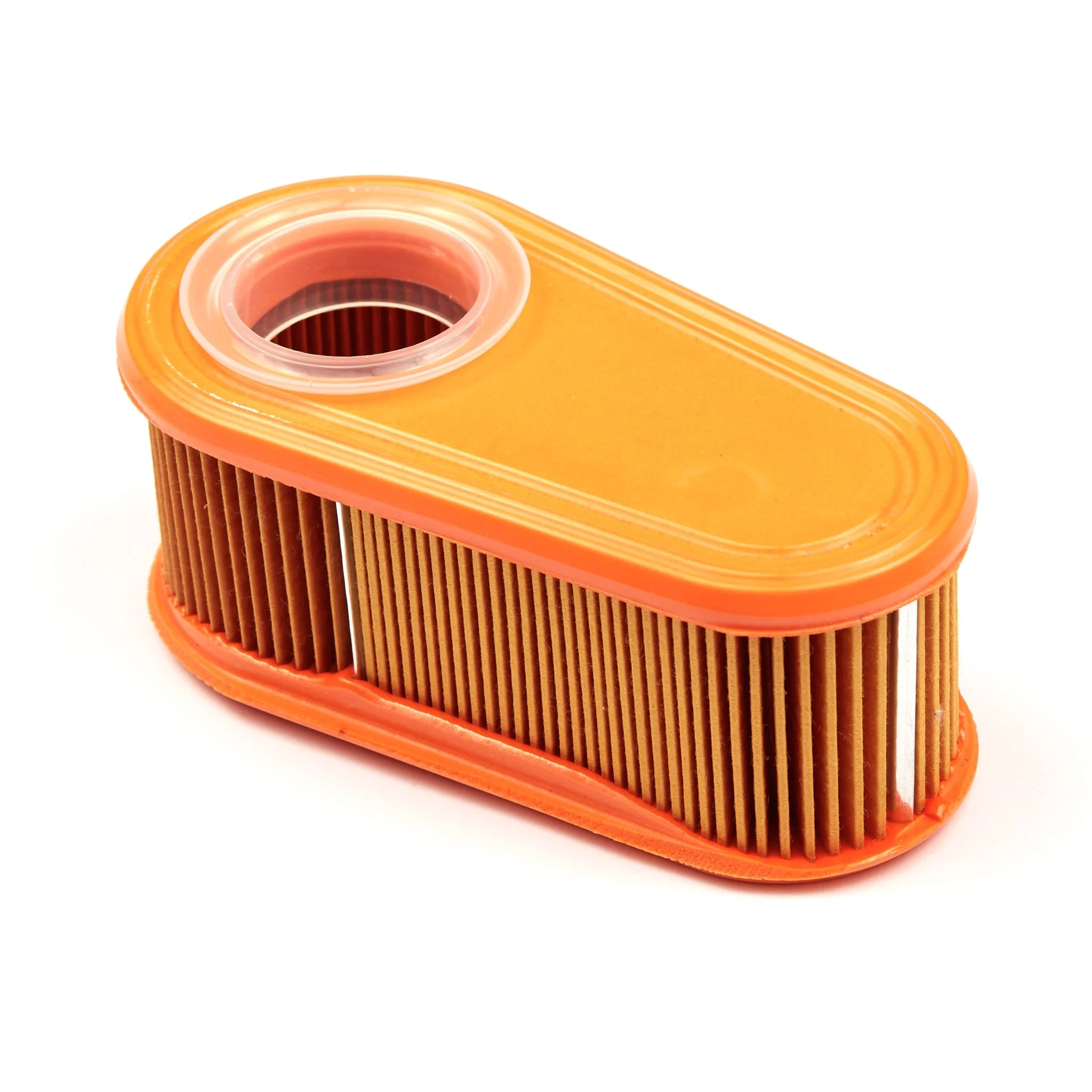
A standard Briggs & Stratton air filter costs between £8-15 depending on your engine model.
Annual replacement takes about five minutes and requires no tools beyond perhaps a screwdriver.
Now, let's compare that to engine damage costs:
New piston and rings: £60-100 for parts, plus labour Cylinder honing or replacement: £80-150 Complete engine rebuild: £300-450 New engine: £350-600 New mower/equipment: £400-1,200+
We're not being dramatic when we say a £12 part can save you £400. We've seen it play out dozens of times.
For Foam Filters:
These are common on smaller engines and some generators. Check them every 10-15 hours of use, or monthly during heavy use seasons. Remove the filter and inspect for damage or compression. Wash in warm water with mild detergent (washing-up liquid works fine). Rinse thoroughly and squeeze out excess water—don't twist. Allow to dry completely (this is crucial—never install a damp filter). Apply a thin coat of engine oil and squeeze to distribute evenly. Reinstall when completely dry. Replace foam filters annually or immediately if torn or permanently compressed.
For Paper Filters:
These can't be washed, but you can extend their life slightly with careful cleaning. Remove and tap gently on a hard surface to dislodge loose dirt. Use compressed air from the inside out (never from the outside in). Hold a light behind the filter—if you can't see light through most of it, replace it. Check the rubber seal for damage or hardening. Never use petrol, solvents, or water on paper filters. Replace paper filters every 25-50 hours of use, more frequently in dusty conditions. If you use your mower weekly throughout the season, that's an annual replacement. If your equipment sits in a dusty shed or you're cutting very dry grass, check it more often.
For Dual-Element Filters:
Some engines use both foam and paper elements together. Clean the foam regularly and replace the paper element on the same schedule as paper-only filters.
Every 10 hours or monthly (whichever comes first):
Quick visual inspection—takes 30 seconds Tap out loose debris from paper filters Clean foam filters if visibly dirty
Every 25 hours or start of season:
Thorough foam filter cleaning Detailed inspection for damage Replace if showing wear
Every 50 hours or annually:
Replace paper filters Replace foam filters Check housing for damage or gaps
Immediately replace if:
Filter is torn, crushed, or damaged Paper won't pass light through it Foam has permanently compressed areas Rubber seal is hard or cracked You've done any dusty work (hedge cutting, dry conditions)

If it looks marginal, replace it. If it's clearly dirty, replace it. If you can't remember when you last replaced it, replace it.
That five-minute check, done religiously, will catch problems before they become expensive disasters. We've never had a customer regret replacing an air filter "too early." We've had plenty regret leaving it too long.
Genuine Briggs & Stratton filters are designed specifically for your engine's airflow requirements. They fit properly (gaps around filters are as bad as no filter), they're made from quality materials that maintain effectiveness over their service life, and they won't deteriorate prematurely.
We've seen cheap aftermarket filters fail within weeks, either compressing so much they restrict airflow, or degrading and allowing dirt through. A genuine Briggs filter might cost £2-3 more than the cheapest alternative, but it's one of the few places where the brand name genuinely delivers better value.
Check it regularly. Replace it annually at minimum. Clean it between replacements if it's a foam filter. These simple steps will help your engine run stronger, last longer, and save you from the heartbreak of preventable damage.
Because here's the thing about air filters: they always fail gradually, giving you plenty of warning signs. The tragedy is when we ignore those signs and let a cheap, easily replaceable part destroy something far more valuable.
Your Briggs & Stratton engine is built to last decades with proper care. Don't let something as simple as air filter neglect cut that lifespan short.
Then one day, your engine starts running rough. Maybe it's losing power, drinking fuel like there's no tomorrow, or belching out smoke. You take it to a repair shop, and the mechanic delivers the bad news: "Your engine's got significant internal damage. We're looking at £300-400 for a rebuild, maybe more."
All because of a £12 air filter you kept meaning to replace.
Sound dramatic? It happens more often than you'd think. In fact, neglected air filters are one of the leading causes of premature engine failure in lawn mowers, generators, and other garden equipment. Let's talk about why this cheap little component deserves far more respect than it usually gets.
What Your Air Filter Actually Does (And Why It Matters)
Think of your engine's air filter as its lungs. Your Briggs & Stratton engine needs air to run—specifically, it needs clean air mixed with fuel to create the combustion that generates power. On a typical summer afternoon, your lawn mower engine might pull in over 2,000 litres of air just to cut your lawn once.The problem? That air is full of nasties. Grass clippings, dust, pollen, soil particles, seeds, and all manner of microscopic debris that would love nothing more than to get inside your engine. Your air filter's job is to stop them at the door.
A clean filter catches these contaminants while allowing plenty of air through. A dirty or damaged filter? That's where the trouble starts.
The Two Ways a Bad Air Filter Destroys Your Engine
Air filter neglect kills engines in two distinct ways, and ironically, both can happen with the same filter at different stages of its life.Scenario One: The Clogged Filter
When your air filter gets packed with dirt and debris, it restricts airflow. Your engine is now gasping for breath, trying to pull air through what's essentially become a solid barrier. This creates a "rich" fuel mixture—too much fuel, not enough air.
Here's what happens next: Incomplete combustion leaves carbon deposits throughout the engine. Spark plugs foul and need frequent replacement. Fuel consumption increases noticeably (you'll see this at the pump). Power output drops—your mower struggles through grass it used to handle easily. Excess fuel washes oil from cylinder walls, accelerating wear. Carbon buildup eventually causes valve problems and compression loss.
We've seen lawn mowers that burned nearly double their normal fuel consumption, purely because the owner hadn't changed the air filter in two seasons. The owner thought they had a carburetor problem and was ready to spend £80-100 on a rebuild. The fix? A £12 air filter.
Scenario Two: The Damaged Filter
This is actually worse. If your air filter deteriorates—maybe the paper element tears, or the foam gets compressed and develops gaps—it stops filtering effectively. Now you've got dirt bypassing the filter entirely and heading straight into your engine.These microscopic particles act like liquid sandpaper inside your engine:
For instance, one customer brought a generator that had been running fine but suddenly seized up after just 50 hours of use. When the repair technician tore it down, the cylinder walls looked like someone had taken sandpaper to them. The culprit? A foam air filter that had deteriorated, allowing dust from their dusty workshop to pour straight into the engine. They'd spent £500 on the generator eighteen months earlier. Now it needed a £380 rebuild.
The air filter? They'd never checked it once.
The Real-World Cost of Neglect
Let's put some numbers on this.A standard Briggs & Stratton air filter costs between £8-15 depending on your engine model.
Annual replacement takes about five minutes and requires no tools beyond perhaps a screwdriver.
Now, let's compare that to engine damage costs:
We're not being dramatic when we say a £12 part can save you £400. We've seen it play out dozens of times.
How to Actually Maintain Your Air Filter (It's Easier Than You Think)
The good news? Air filter maintenance is genuinely simple. Here's what you need to know.For Foam Filters:
For Paper Filters:
For Dual-Element Filters:
Some engines use both foam and paper elements together. Clean the foam regularly and replace the paper element on the same schedule as paper-only filters.
Your Simple Maintenance Schedule
Here's a schedule that covers most homeowner situations:Every 10 hours or monthly (whichever comes first):
Every 25 hours or start of season:
Every 50 hours or annually:
Immediately replace if:
The Five-Minute Check That Saves Hundreds
Here's what we tell every customer: before you start your equipment each season, spend five minutes checking the air filter. Not replacing it, just checking. Pull it out, hold it up to the light, give it a visual once-over.If it looks marginal, replace it. If it's clearly dirty, replace it. If you can't remember when you last replaced it, replace it.
That five-minute check, done religiously, will catch problems before they become expensive disasters. We've never had a customer regret replacing an air filter "too early." We've had plenty regret leaving it too long.
Why Genuine Briggs & Stratton Filters Matter
A quick word on filter quality. Yes, you can find cheaper alternatives. Some are perfectly fine. Others are false economy.Genuine Briggs & Stratton filters are designed specifically for your engine's airflow requirements. They fit properly (gaps around filters are as bad as no filter), they're made from quality materials that maintain effectiveness over their service life, and they won't deteriorate prematurely.
We've seen cheap aftermarket filters fail within weeks, either compressing so much they restrict airflow, or degrading and allowing dirt through. A genuine Briggs filter might cost £2-3 more than the cheapest alternative, but it's one of the few places where the brand name genuinely delivers better value.
The Bottom Line
Your engine is constantly trying to inhale everything in your garden—dust, dirt, grass clippings, and countless microscopic particles. The only thing standing between your expensive engine and all that debris is a £12 filter.Check it regularly. Replace it annually at minimum. Clean it between replacements if it's a foam filter. These simple steps will help your engine run stronger, last longer, and save you from the heartbreak of preventable damage.
Because here's the thing about air filters: they always fail gradually, giving you plenty of warning signs. The tragedy is when we ignore those signs and let a cheap, easily replaceable part destroy something far more valuable.
Your Briggs & Stratton engine is built to last decades with proper care. Don't let something as simple as air filter neglect cut that lifespan short.