The Briggs & Stratton Cold Snap Secret: Powering Through the Winter
Date Released: 24 Nov 2025 Category: Blog
The landscape of yard work changes dramatically once the temperatures plummet. While the neighbors are sealing up their sheds for a six-month break, many homeowners know that winter isn't a break from outdoor work—it's just a different kind of labor.
Your Briggs & Stratton engine, the heart of your equipment, is a marvel of engineering built to be rugged and reliable. But operating any small engine in freezing conditions presents unique challenges that are completely different from battling summer heat. This guide dives into the "Cold Snap Secret": how to adapt your maintenance routine, when to run your machines, and how to harness your engine's power for tasks beyond the green grass.
The truth is, some people keep their mowers running well into the late fall or even winter to mulch leaves, or because they prefer a very short winter cut. Your Briggs engine itself can handle the cold, but the oil and the fuel are the real problems.
When to Use Your Engine (and What to Use It For)
Beyond the lingering lawn chores, the Briggs & Stratton engine family powers the true cold-weather heroes:

The Snow Blower: This is the ultimate cold-weather machine. Briggs & Stratton specifically designs entire Snow Series engines to start reliably in temperatures as low as −20∘F or −29∘C. These engines are fundamentally different from your summer mower, especially in their ignition and cooling components. The Generator: Winter storms mean power outages. Running your generator in freezing temperatures is non-negotiable. It needs to start instantly and run reliably for hours. The Log Splitter/Chipper: Preparing firewood is a cold-weather job. Your engine needs to deliver maximum torque despite the chill.
When NOT to Use Your Engine
If you are trying to use a standard lawnmower or pressure washer in truly freezing conditions (say, below 20∘F or −6∘C), you should generally avoid it. Why?
Oil Thicker Than Molasses: The oil in a standard summer-rated Briggs engine thickens drastically in the cold. Trying to crank the engine with thick oil creates massive internal resistance, draining your battery (if equipped) and causing excessive wear because the oil takes longer to circulate and lubricate properly. Water is the Enemy: If you're running a pressure washer, the residual water in the pump will freeze and crack the pump head—a catastrophic failure unrelated to the engine itself. The "Summer Fuel" Problem: The gasoline you buy in summer is less volatile than "winter blend" gas. Low volatility makes cold-weather ignition much harder.
1. The Oil Swap: Your Viscosity Upgrade
This is arguably the most critical step for any engine operating consistently below 40∘F (4∘C).
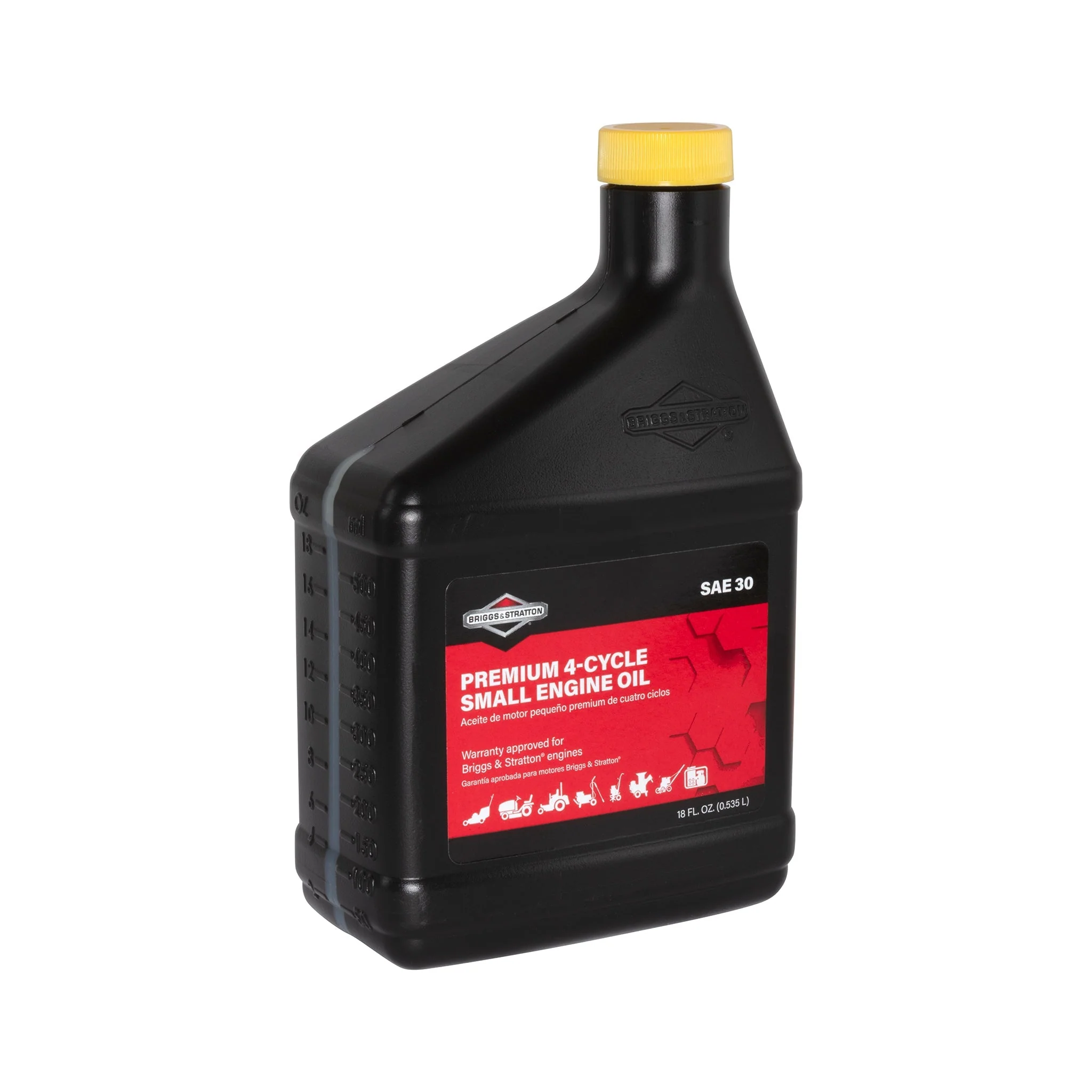
The Summer Standard: Most mowers run on SAE 30 oil—great for hot weather. The Winter Upgrade: Switch to a Synthetic Multi-Viscosity Oil, specifically 5W-30.
The "W" stands for winter. The 5W rating means the oil is thin enough to flow almost instantly when the engine is cold, dramatically reducing the starting effort and ensuring lubrication reaches critical components faster than thick SAE 30 oil ever could. Synthetic oil maintains its properties better than conventional oil in both hot and cold extremes, offering superior protection.
The takeaway: Change your oil to synthetic 5W-30 before the first real frost.
2. The Fresh Fuel Protocol: Volatility is Key
 If your engine isn't starting, your fuel is likely the problem, but not just because it's old (though that matters too!). The issue is volatility.
Fresh Gas is Winter Gas: Refiners adjust gasoline blends seasonally. "Winter grade" gasoline contains additives that make it evaporate more easily at low temperatures. This is vital because the engine needs those gas vapors to ignite the air/fuel mixture. Drain the Old: If you have fuel sitting from the summer, drain it out and replace it with a fresh fill of 87 octane. Use Stabilizer: While the last article focused on storage, here we use stabilizer for immediate protection. Fresh gas with stabilizer (like Briggs & Stratton's Fuel Fit) will protect your fuel system from moisture absorption throughout the entire season of use. A protected fuel system is a reliable system.
3. Preheat and Prime: The Starting Ritual
Once the oil and fuel are correctly set, your starting technique becomes paramount.
Prime the Engine: Many Briggs engines require priming (pushing a small rubber bulb). The colder the air, the more fuel the engine needs to compensate for the denser air and less volatile fuel. Push the primer bulb firmly—perhaps one extra time than you would in the summer.
Use the Choke: The choke restricts the air intake, creating a richer (more fuel-heavy) mixture. In cold weather, you must use the choke. Always start with the choke fully engaged. As the engine fires and runs rough for a few seconds, gradually move the choke toward the "Run" position. Be patient; cold metal takes longer to warm up and run smoothly. Avoid Starting Fluid: While it can work in a pinch, starting fluid (ether) is extremely flammable and can cause engine damage or dangerous kickbacks. Proper oil and fresh, primed fuel eliminate the need for it entirely.
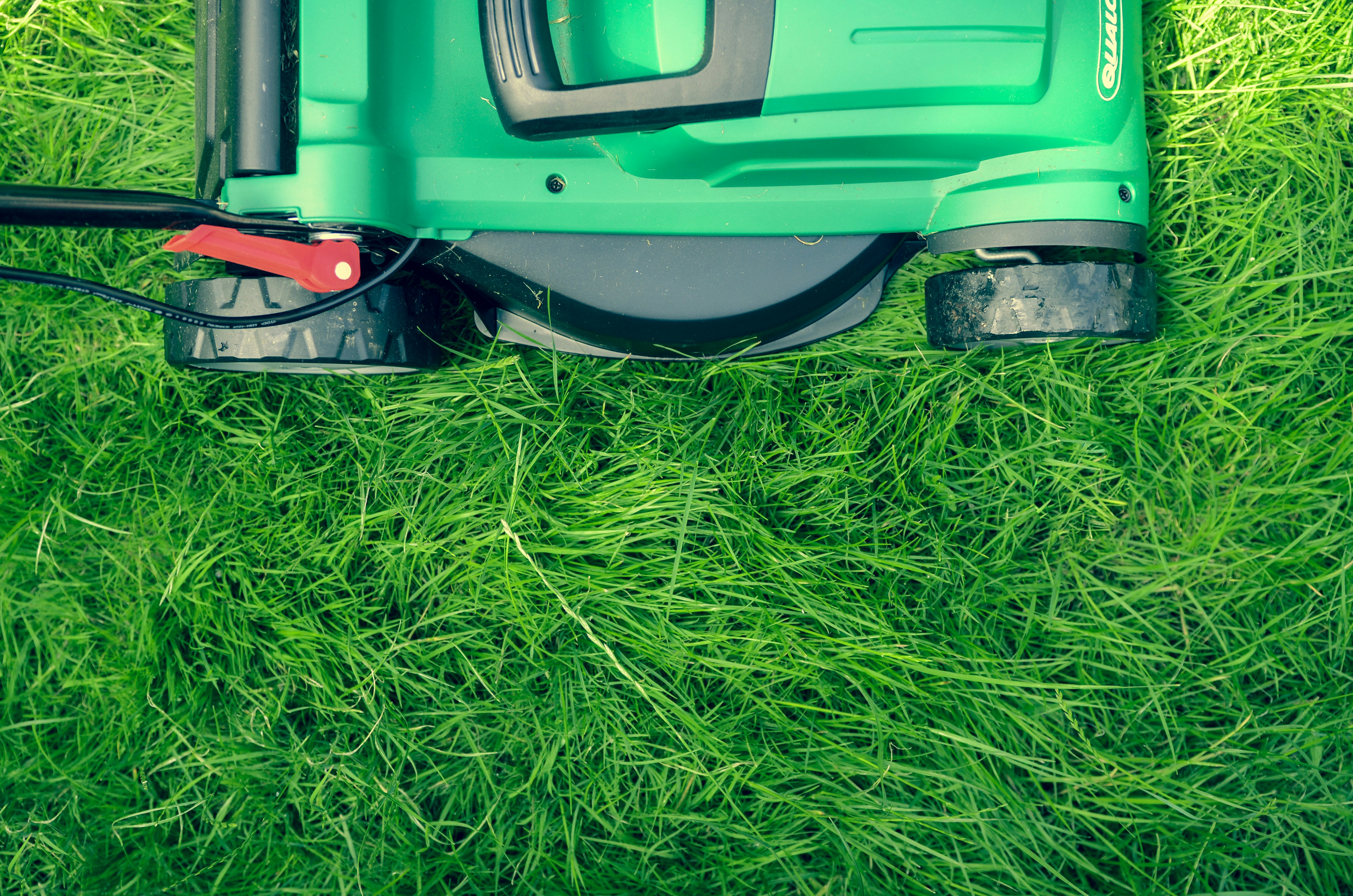
If you have a summer-only machine, like a lawnmower, that definitely won't be seeing any cold work, you must prepare it for storage. This is where the last article's focus on storage becomes your off-season maintenance checklist:
Fuel Stabilizer: Treat the fuel and run the engine for 5 minutes. Clean: Wash and thoroughly dry the mower, paying special attention to the underside to prevent rust. Spark Plug Inspection: Pull it, clean or replace it. A good spark plug is the difference between a one-pull start and an hour of frustration next spring. Cover: Store the machine in a dry, protected area. Never store it next to a furnace or water heater where spilled fuel could ignite a pilot light.
Your Briggs & Stratton engine, the heart of your equipment, is a marvel of engineering built to be rugged and reliable. But operating any small engine in freezing conditions presents unique challenges that are completely different from battling summer heat. This guide dives into the "Cold Snap Secret": how to adapt your maintenance routine, when to run your machines, and how to harness your engine's power for tasks beyond the green grass.
The Cold-Weather Conundrum: When to Work, When to Wait
The first big question is often: Can I still use my lawnmower in the cold?The truth is, some people keep their mowers running well into the late fall or even winter to mulch leaves, or because they prefer a very short winter cut. Your Briggs engine itself can handle the cold, but the oil and the fuel are the real problems.
When to Use Your Engine (and What to Use It For)
Beyond the lingering lawn chores, the Briggs & Stratton engine family powers the true cold-weather heroes:
When NOT to Use Your Engine
If you are trying to use a standard lawnmower or pressure washer in truly freezing conditions (say, below 20∘F or −6∘C), you should generally avoid it. Why?
The Cold Snap Secret: Three Essential Winter Adjustments
To ensure reliable, low-wear cold-weather operation, whether you're starting a snow blower or an off-season generator, you must focus on the following three areas. This is the Cold Snap Secret that professional landscapers and repair shops rely on.1. The Oil Swap: Your Viscosity Upgrade
This is arguably the most critical step for any engine operating consistently below 40∘F (4∘C).
The "W" stands for winter. The 5W rating means the oil is thin enough to flow almost instantly when the engine is cold, dramatically reducing the starting effort and ensuring lubrication reaches critical components faster than thick SAE 30 oil ever could. Synthetic oil maintains its properties better than conventional oil in both hot and cold extremes, offering superior protection.
The takeaway: Change your oil to synthetic 5W-30 before the first real frost.
2. The Fresh Fuel Protocol: Volatility is Key
3. Preheat and Prime: The Starting Ritual
Once the oil and fuel are correctly set, your starting technique becomes paramount.
Prime the Engine: Many Briggs engines require priming (pushing a small rubber bulb). The colder the air, the more fuel the engine needs to compensate for the denser air and less volatile fuel. Push the primer bulb firmly—perhaps one extra time than you would in the summer.
When to Store (The Off-Season Check)
If you have a summer-only machine, like a lawnmower, that definitely won't be seeing any cold work, you must prepare it for storage. This is where the last article's focus on storage becomes your off-season maintenance checklist: