Why Won't My Mower Start? The 5-Minute Briggs & Stratton Diagnosis Anyone Can Do
Date Released: 8 Dec 2025 Category: Blog
It's Saturday morning. The grass is getting long. You've got two hours before the football starts. You pull the cord on your mower and... nothing. Or it coughs once and dies. Or it turns over but won't catch.
You're standing there wondering: "Do I need a mechanic? Is this expensive? Can I fix it myself?"
Here's the good news: most Briggs & Stratton engines that won't start have one of five simple problems, and four of them you can fix yourself in minutes with basic tools. No mechanics degree required.
Let's work through this logically, step by step, and get you mowing.
 First things first:
Make sure the mower is on flat ground Disconnect the spark plug lead (pull it off the spark plug) If you need to tip the mower, tip it with the air filter side UP (never carburettor side down)
Right, let's diagnose your problem.
Open the fuel cap and look inside. If it's empty or there's just a dribble at the bottom, fill it up with fresh unleaded petrol.
Important: Is the fuel older than 30 days? Petrol goes stale. Really. After about a month, it starts breaking down and can gum up your engine. If you're not sure when you last filled it, drain the old fuel out and add fresh.
The fix? Fresh fuel in the tank. Try starting again.
Still won't start? Move to Step 2.
First, you'll need a spark plug socket (usually 13/16" or 5/8") or an adjustable spanner.
Remove the spark plug (turn anticlockwise) and ook at it closely
What you're looking for:
Is it black and sooty? (Dirty—needs cleaning or replacing) Is it wet with petrol? (Flooded engine—let it dry) Is the gap at the bottom damaged or burnt? (Needs replacing) Is it covered in oily deposits? (Needs replacing)
If it's just dirty, clean it with a wire brush or some sandpaper. If it's damaged, wet, or really grotty, replace it. A new Briggs & Stratton spark plug costs about £5-8 from Briggs Spares.
Top tip: The gap between the electrodes should be about 0.75mm (0.030"). You can check this with a feeler gauge, or just buy a new plug—they come pre-gapped.
Put the spark plug back in, reconnect the lead, and try starting.
Still won't start? Move to Step 3.
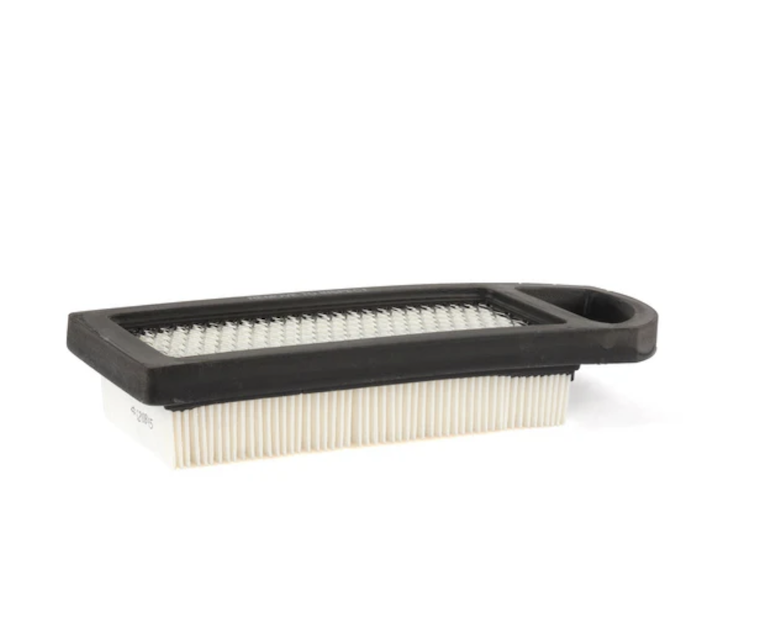
Remove the air filter cover (usually one screw or a clip), take out the foam or paper filter, and hold it up to the light
Can you see light through it? (Good) Is it black, oily, or clogged with grass clippings? (Bad)
The fix:
Foam filters: Wash in warm soapy water, squeeze dry, add a tiny bit of engine oil, squeeze out excess. Let it dry completely. Paper filters: If it's dirty, replace it. You can't really clean paper filters properly. A new one costs £8-12.
Never run the mower without an air filter. Seriously. You'll wreck the engine.
Replace the clean or new filter, put the cover back on, and try starting.
Still won't start? Move to Step 4.
Simple check—is fuel actually flowing?
Disconnect the fuel line from the carburettor (have a rag ready—fuel will drip). Point the line into a container Turn the fuel tap to "ON" (if your mower has one)
Does fuel flow out freely?
If yes: Fuel is reaching the carburettor. Your problem might be inside the carburettor itself (see Step 5). If no or just dribbles: You've got a blockage. In that case, check: Is the fuel cap vent clear? (Unscrew the cap and try starting—if it starts, the vent is blocked). Is the fuel line kinked or blocked? Is there a fuel filter that's clogged? (Replace it—they're about £6)
Clear any blockages, replace clogged fuel filters, make sure fuel flows freely. Try starting again.
Still won't start? Move to Step 5.
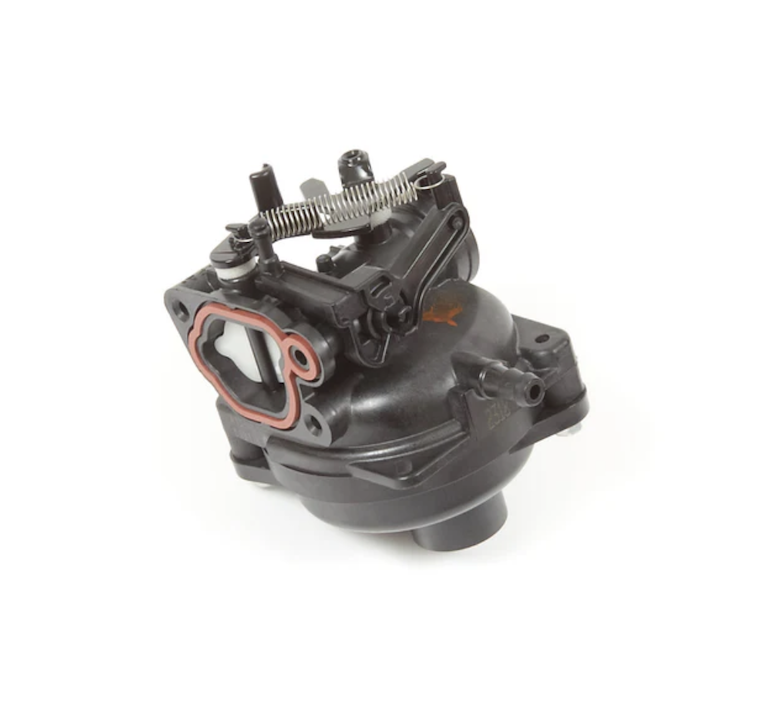
The symptoms include: Engine turns over but won't catch, starts briefly then dies, or won't start at all despite having fuel.
What's happening? Old fuel has left deposits in the tiny passages inside the carburettor, blocking fuel flow.
Your options:
Option 1: The quick attempt: Buy carburettor cleaner spray (£8-10). Spray it into the carburettor intake while the engine is running (or trying to start). Sometimes this clears minor blockages. Option 2: The proper fix: Buy a carburettor service kit for your specific Briggs & Stratton engine (£15-25 from Briggs Spares). It comes with new gaskets, a float needle, and instructions. You'll need basic tools and about an hour. YouTube has hundreds of "how to rebuild a Briggs & Stratton carburettor" videos. Option 3: The replacement: If the carburettor is really gone, a replacement costs £30-50. Sometimes it's easier than rebuilding.
Remember, carburettor work is slightly more involved than the other fixes, but it's not rocket science. If you can change a bicycle chain, you can rebuild a carburettor with a video guide and a bit of patience.
Compression problems: The engine won't build pressure. This means worn piston rings or valve issues, and needs a mechanic.
Ignition coil failure: The spark plug isn't getting power. You'd need a spark tester to diagnose this (£10), but it's rare. Sheared flywheel key: The engine timing is off. Happens if you hit something hard with the blade. Needs a mechanic.
These problems are much less common than the five we've covered. 95% of "won't start" issues are fuel, spark, or air related.
End of season (October/November):
Either drain all fuel out OR add fuel stabilizer to a full tank Run the engine for 5 minutes to get stabilized fuel through the system Change the oil Clean or replace the air filter Remove and check the spark plug
Start of season (March/April):
Fresh fuel Check spark plug Check air filter Check oil level
During the season:
Use fresh fuel (don't store it for months) Check and clean the air filter every month Keep the underside of the deck clear of grass buildup
Spark plug socket or adjustable spanner (£8) Screwdriver set (£10) Spare spark plug for your engine (£6) Spare air filter (£10) Fuel line (£5) Carburettor cleaner spray (£8)
Total investment: about £50. That's one mechanic visit. After that, you can fix most starting problems yourself in minutes. All these parts are available from Briggs Spares with the exact part numbers for your specific engine model.
Dirty spark plug Clogged air filter Old fuel Blocked fuel line Dirty carburettor
Potentially serious (consider professional help):
No compression Bent crankshaft Damaged valves Internal engine damage
The good news? The "not serious" problems account for about 95% of starting failures. Most of the time, your Briggs & Stratton engine just needs a bit of basic care, not major surgery.
 A Briggs & Stratton engine that won't start isn't necessarily broken. It usually just needs one of five simple things: fresh fuel, a clean spark plug, a clean air filter, clear fuel flow, or a clean carburettor.
Work through the steps methodically. Don't skip ahead. Each step takes 2-5 minutes, and you'll almost always find the problem before you reach the end.
The best part? Once you've done this once, you'll never feel helpless again when your mower won't start. You'll know exactly what to check, exactly what to fix, and exactly where to get the parts.
Your mower isn't mysterious. It's just a simple engine that needs three things: fuel, air, and spark. Make sure it's getting all three, and it'll start every time.
Now get out there and fix that mower. The grass isn't getting any shorter.
You're standing there wondering: "Do I need a mechanic? Is this expensive? Can I fix it myself?"
Here's the good news: most Briggs & Stratton engines that won't start have one of five simple problems, and four of them you can fix yourself in minutes with basic tools. No mechanics degree required.
Let's work through this logically, step by step, and get you mowing.
Before You Start: The Safety Basics
Right, let's diagnose your problem.
Step 1: Is There Fuel in the Tank?
I know, I know—obvious question. But you'd be amazed how many "broken" mowers just need petrol.Open the fuel cap and look inside. If it's empty or there's just a dribble at the bottom, fill it up with fresh unleaded petrol.
Important: Is the fuel older than 30 days? Petrol goes stale. Really. After about a month, it starts breaking down and can gum up your engine. If you're not sure when you last filled it, drain the old fuel out and add fresh.
The fix? Fresh fuel in the tank. Try starting again.
Still won't start? Move to Step 2.
Step 2: Check the Spark Plug
This is the most common problem, and it's incredibly easy to check.First, you'll need a spark plug socket (usually 13/16" or 5/8") or an adjustable spanner.
Remove the spark plug (turn anticlockwise) and ook at it closely
What you're looking for:
If it's just dirty, clean it with a wire brush or some sandpaper. If it's damaged, wet, or really grotty, replace it. A new Briggs & Stratton spark plug costs about £5-8 from Briggs Spares.
Top tip: The gap between the electrodes should be about 0.75mm (0.030"). You can check this with a feeler gauge, or just buy a new plug—they come pre-gapped.
Put the spark plug back in, reconnect the lead, and try starting.
Still won't start? Move to Step 3.
Step 3: Check the Air Filter
Your engine needs air as much as it needs fuel. A clogged air filter is like trying to breathe through a pillow.Remove the air filter cover (usually one screw or a clip), take out the foam or paper filter, and hold it up to the light
Can you see light through it? (Good) Is it black, oily, or clogged with grass clippings? (Bad)
The fix:
Never run the mower without an air filter. Seriously. You'll wreck the engine.
Replace the clean or new filter, put the cover back on, and try starting.
Still won't start? Move to Step 4.
Step 4: Check the Fuel System
If you've got fresh fuel, a good spark plug, and a clean air filter, but it still won't start, the problem might be fuel not reaching the engine.Simple check—is fuel actually flowing?
Disconnect the fuel line from the carburettor (have a rag ready—fuel will drip). Point the line into a container Turn the fuel tap to "ON" (if your mower has one)
Does fuel flow out freely?
Clear any blockages, replace clogged fuel filters, make sure fuel flows freely. Try starting again.
Still won't start? Move to Step 5.
Step 5: The Carburettor (The Slightly Trickier One)
If you've checked everything else and the mower still won't start, the carburettor is probably gummed up with old fuel. This is the most common problem with mowers that have been stored over winter.The symptoms include: Engine turns over but won't catch, starts briefly then dies, or won't start at all despite having fuel.
What's happening? Old fuel has left deposits in the tiny passages inside the carburettor, blocking fuel flow.
Your options:
Remember, carburettor work is slightly more involved than the other fixes, but it's not rocket science. If you can change a bicycle chain, you can rebuild a carburettor with a video guide and a bit of patience.
The Rare Ones (When to Call for Help)
If you've worked through all five steps and it still won't start, you might have:Compression problems: The engine won't build pressure. This means worn piston rings or valve issues, and needs a mechanic.
These problems are much less common than the five we've covered. 95% of "won't start" issues are fuel, spark, or air related.
Prevention: Stop This Happening Again
Here's how to avoid non-starting nightmares:End of season (October/November):
Start of season (March/April):
During the season:
What You Need in Your Mower Tool Kit
For all these basic checks and fixes:Total investment: about £50. That's one mechanic visit. After that, you can fix most starting problems yourself in minutes. All these parts are available from Briggs Spares with the exact part numbers for your specific engine model.
When It's Actually Serious (And When It's Not)
Not serious (you can fix it):Potentially serious (consider professional help):
The good news? The "not serious" problems account for about 95% of starting failures. Most of the time, your Briggs & Stratton engine just needs a bit of basic care, not major surgery.
Final Thoughts
Work through the steps methodically. Don't skip ahead. Each step takes 2-5 minutes, and you'll almost always find the problem before you reach the end.
The best part? Once you've done this once, you'll never feel helpless again when your mower won't start. You'll know exactly what to check, exactly what to fix, and exactly where to get the parts.
Your mower isn't mysterious. It's just a simple engine that needs three things: fuel, air, and spark. Make sure it's getting all three, and it'll start every time.
Now get out there and fix that mower. The grass isn't getting any shorter.