Why Your Briggs Governor is Screaming: The Simple Spring Swap That Saves Your Engine
Date Released: 23 Jan 2026 Category: Blog
Few things are quite as alarming as your mower suddenly deciding it wants to be a jet engine. One second it's running normally, the next it's screaming at a pitch you didn't know small engines could achieve. The whole machine's vibrating alarmingly, and you're genuinely wondering if you're about to witness something explosive.
Your instinct is correct: shut it down. Now. Because when a Briggs engine starts revving to the moon, something important has stopped working. That something is your governor spring, and without it, your engine has lost speed control.
The good news? This terrifying moment almost always comes down to a spring that costs less than a coffee. But understanding why this is dangerous, and how to fix it, might save you from turning a £5 spring problem into a £200 engine replacement.
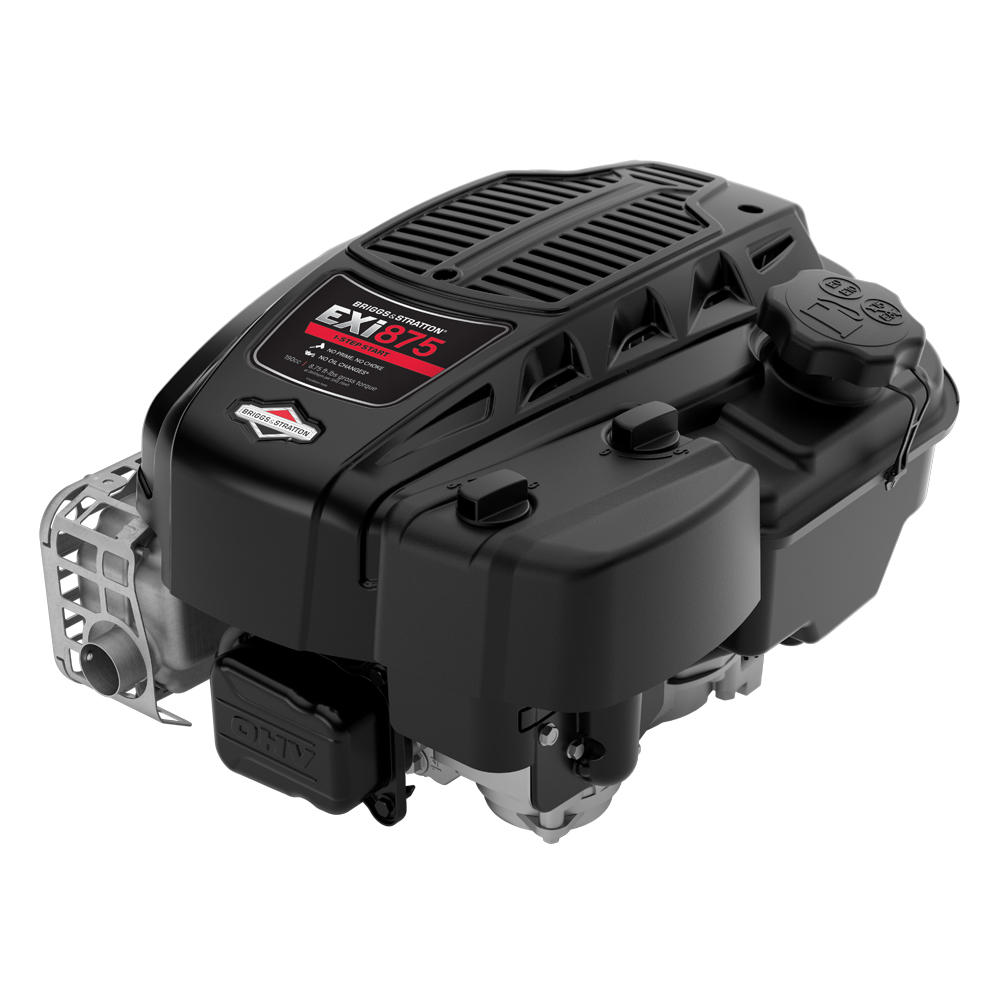 The governor is your engine's safety system. It automatically controls engine speed, keeping it within safe limits regardless of throttle position or load.
Without a working governor, nothing stops the engine from revving to dangerous speeds. Internal components can't handle excessive RPM, things start breaking, and you can seriously damage or seize the engine in minutes. The governor spring links the throttle control to the governor mechanism, providing tension that balances against the governor's force. When it fails, the governor can't control anything, and the engine takes off.
The spring comes unhooked from a mounting point. The hooks are small, and vibration can knock them loose.
The spring stretches over time, losing proper tension. This causes erratic governor behaviour and hunting.
Corrosion weakens the spring, especially with moisture in the linkage area. A corroded spring can snap unexpectedly.
Engine speed becomes erratic, hunting up and down even when you're not touching the throttle. Maximum speed creeps higher than it used to be. The engine revs harder than before. Slight rattling from the linkage area, especially at idle. The throttle control feels different - too loose or too tight. Catch these early and you can replace the spring before it fails completely.
The piston and connecting rod move faster than designed, potentially tearing the engine apart from inside.
The valve train can't keep up. Valves can float, causing compression loss or mechanical contact with pistons. The flywheel at excessive speed could break loose and become a dangerous projectile.
Additionally, the blade spins far too fast, creating a serious safety hazard if it hits anything.
This is why you shut down immediately. Every second risks destroying something expensive or causing injury.
Identify the correct spring for your engine model. Governor springs vary in length and tension between different Briggs models, so you need the right one. With the engine off, locate where the spring attaches. Typically, one end hooks onto the governor lever, the other onto the throttle linkage or a fixed point on the engine. Remove the old spring if it's still there. Sometimes you'll find it's snapped in half, sometimes it's just come unhooked. Hook the new spring into place, making sure both ends are properly seated. The spring should have visible tension when installed, not be slack. Test the throttle movement by hand. It should move smoothly and return to the correct position when released. The governor arm should move freely. Start the engine and let it warm up. The speed should be stable and controlled. If it's still hunting or running too fast, check the spring is correctly installed and you have the right spring for your model.
A governor spring costs £3-8 depending on the model. It's one of those parts you should probably keep a spare of in your toolbox.
Don't force the throttle controls. If something sticks, fix it rather than forcing it.
Inspect the spring annually. Look for corrosion, stretching, or wear at the hook points.
Lubricate the linkage occasionally with light oil. Smooth-moving parts stress the spring less.
You cannot run a Briggs engine without a functioning governor. It's not a "I'll fix it later" situation. Here's what happens if you try:
Best case: You shut it down immediately and replace the spring. Cost: under £10. Worst case: You let it run for even 30 seconds at excessive RPM. Potential damage includes bent connecting rod, damaged crankshaft, broken valve train, or complete engine seizure. Cost: £150-300 for engine replacement.
The choice is pretty obvious. Don't even attempt to run the engine without a working governor spring.

But the fix is almost always simple: a £5 spring and five minutes of your time. No special tools, no complicated procedures, just hook the new spring into place and you're protected again.
Your engine's governor is its life insurance policy. Keep that spring in good condition, and you'll never have to experience that heart-stopping over-rev again. Your engine will thank you by lasting years longer than it would have without speed control.
Don't mess about with governor problems. Sort them immediately and keep your engine running safely within its design limits.
Your instinct is correct: shut it down. Now. Because when a Briggs engine starts revving to the moon, something important has stopped working. That something is your governor spring, and without it, your engine has lost speed control.
The good news? This terrifying moment almost always comes down to a spring that costs less than a coffee. But understanding why this is dangerous, and how to fix it, might save you from turning a £5 spring problem into a £200 engine replacement.
What the Governor Does
Without a working governor, nothing stops the engine from revving to dangerous speeds. Internal components can't handle excessive RPM, things start breaking, and you can seriously damage or seize the engine in minutes. The governor spring links the throttle control to the governor mechanism, providing tension that balances against the governor's force. When it fails, the governor can't control anything, and the engine takes off.
How Governor Springs Fail
The spring breaks from metal fatigue after thousands of hours under constant tension. You'll hear a "ping" and the engine takes off.The spring comes unhooked from a mounting point. The hooks are small, and vibration can knock them loose.
The spring stretches over time, losing proper tension. This causes erratic governor behaviour and hunting.
Corrosion weakens the spring, especially with moisture in the linkage area. A corroded spring can snap unexpectedly.
What to Look Out For
Why Over-Revving is Dangerous
When a Briggs engine runs without governor control, it's genuinely dangerous:The piston and connecting rod move faster than designed, potentially tearing the engine apart from inside.
The valve train can't keep up. Valves can float, causing compression loss or mechanical contact with pistons. The flywheel at excessive speed could break loose and become a dangerous projectile.
Additionally, the blade spins far too fast, creating a serious safety hazard if it hits anything.
This is why you shut down immediately. Every second risks destroying something expensive or causing injury.
How to Fix It
Replacing a governor spring is genuinely straightforward:A governor spring costs £3-8 depending on the model. It's one of those parts you should probably keep a spare of in your toolbox.
Preventing Future Failures
Keep the linkage clean and free from grass clippings. A gunked-up governor puts extra stress on the spring.Don't force the throttle controls. If something sticks, fix it rather than forcing it.
Inspect the spring annually. Look for corrosion, stretching, or wear at the hook points.
Lubricate the linkage occasionally with light oil. Smooth-moving parts stress the spring less.
You cannot run a Briggs engine without a functioning governor. It's not a "I'll fix it later" situation. Here's what happens if you try:
The choice is pretty obvious. Don't even attempt to run the engine without a working governor spring.
To Sum Up
That terrifying moment when your Briggs engine suddenly screams to maximum RPM is genuinely frightening. The noise, the vibration, the sense that something catastrophic is about to happen... it's not an experience you want to repeat.But the fix is almost always simple: a £5 spring and five minutes of your time. No special tools, no complicated procedures, just hook the new spring into place and you're protected again.
Your engine's governor is its life insurance policy. Keep that spring in good condition, and you'll never have to experience that heart-stopping over-rev again. Your engine will thank you by lasting years longer than it would have without speed control.
Don't mess about with governor problems. Sort them immediately and keep your engine running safely within its design limits.