Your Briggs Engine is Surging Like a Race Car: The One Carburetor Part That Stops the Hunting
Date Released: 1 Jan 2026 Category: Blog
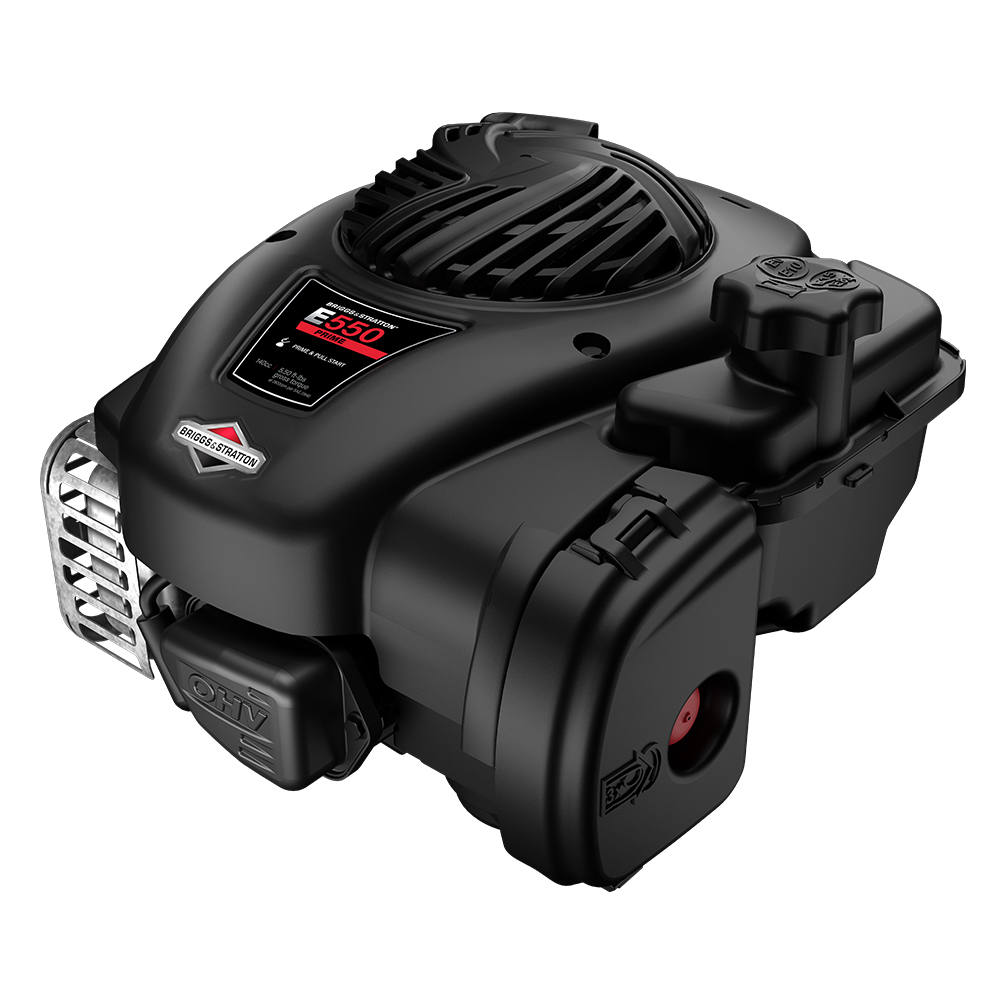
You pull the starter cord, the engine catches first time, and then immediately starts acting like it's having an identity crisis. The revs go up, then down, then up again, like someone's messing with the throttle even though you're not touching it.
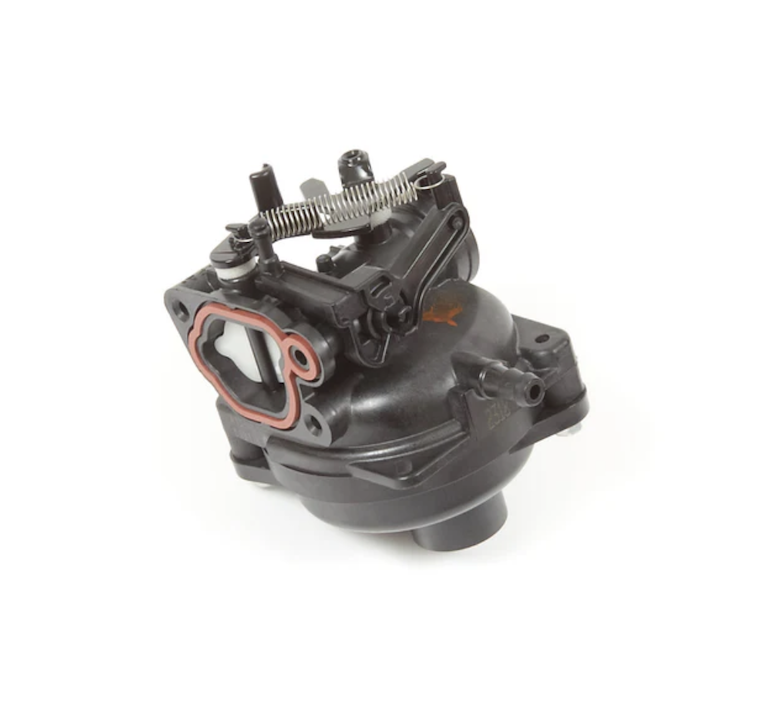
It's infuriating. The engine surges and hunts, never settling, making your mower about as useful as a chocolate teapot. Here's the thing though: this almost always comes down to one tiny component inside the carburetor. It's called the needle valve, it costs about the same as a fancy coffee, and it's probably stuck.
Your Briggs engine's carburetor has a needle valve that controls fuel flow into the float bowl. When this valve sticks (which they do, frequently), it doesn't open and close properly. The bowl either floods with fuel or runs dry, causing that hunting, surging behaviour you're experiencing.
Think of it like a toilet cistern that doesn't shut off properly. Water keeps flowing when it shouldn't, the tank overflows, the valve finally closes, then the cycle starts again. Same principle, just with petrol instead of water and much more annoying consequences.
Dirt in the fuel system is another culprit. Even tiny particles can stop the precisely machined valve from sealing properly.
Ethanol in modern petrol attracts moisture, causes corrosion, and can damage rubber valve components. The valve swells, doesn't move freely, and you get surging.
It surges only under load, running fine at idle but hunting when you engage the blades.
You smell raw petrol around the engine from the carburetor flooding slightly.
Black smoke from the exhaust when the engine surges high - that's unburnt fuel.
Thankfully, fixing a sticking needle valve is straightforward. You can clean it or replace it.
Cleaning works if the valve is just gummed up. Remove the carburetor bowl (usually one bolt at the bottom), take out the float and needle valve, and clean everything thoroughly with carburetor cleaner. Pay attention to the needle valve seat where deposits build up.
Replacing is more permanent. A new needle valve costs £3-8, and if you're already in there, you might as well replace it.
Here's the process:
Turn off the fuel tap if you have one. Put a container underneath to catch drips. Remove the carburetor bowl bolt. The bowl comes away with the float and needle valve attached. Take out the float by removing the small pin. The needle valve lifts out. Clean or replace the needle valve. Reassemble in reverse order. Make sure the float moves freely. Refit the bowl and tighten the bolt snugly (don't overtighten). Test run. The surging should stop if you've fixed it.
A dirty main jet can cause similar symptoms. A thorough carburetor clean usually sorts this. An air leak in the intake system makes the engine run lean. Check the carburetor mounting gasket for cracks. A sticking governor linkage can cause hunting. Lubrication on the pivot points sometimes fixes it.
But usually, with a surging Briggs, start with the needle valve.
 Once you've fixed the surging, you'll want to avoid going through this again:
Use fresh fuel and don't let it sit for months unused. Petrol has a shelf life of about 3-4 months before it starts degrading. After that, you're asking for carburetor problems. Add fuel stabiliser if you're storing the equipment over winter. A cap-full of Briggs fuel stabiliser or similar keeps the petrol fresh and prevents gummy deposits forming. Run the carburetor dry before long-term storage. Turn off the fuel tap (if fitted) and let the engine run until it stops. This empties the float bowl and leaves nothing to gum up the needle valve. Keep the fuel system clean. Replace the fuel filter annually, and if your fuel tank is rusty inside, sort that out before it contaminates the carburetor.
Doing it yourself? The carburetor bowl gasket and needle valve together cost under £10. A tin of carburetor cleaner is another £5. You'll need basic spanners or a socket set, which you probably already have.
That's potentially £50 saved for about 20 minutes of work. Even if you mess it up the first time and have to take it to a shop anyway, you've only wasted £10 and some time.
But the reality is usually a stuck needle valve that costs a few pounds and can be cleaned or replaced in the time it takes to drink a cup of tea. No special skills required, no expensive parts, just methodical work and a bit of confidence.
Your Briggs engine wants to run at a steady, reliable speed. Give it the functioning needle valve it needs, and that frustrating surging will disappear. You'll wonder why you put up with it for so long.
Save your money, fix the valve, and get back to actually using your equipment instead of fighting with it.
It's infuriating. The engine surges and hunts, never settling, making your mower about as useful as a chocolate teapot. Here's the thing though: this almost always comes down to one tiny component inside the carburetor. It's called the needle valve, it costs about the same as a fancy coffee, and it's probably stuck.
What's Actually Happening
Engine surging happens when the fuel supply isn't consistent. The engine gets too much fuel for a moment, revs up, then gets too little, revs down, then overcorrects with too much again. It's a constant cycle of too rich, too lean, too rich, too lean, over and over.Your Briggs engine's carburetor has a needle valve that controls fuel flow into the float bowl. When this valve sticks (which they do, frequently), it doesn't open and close properly. The bowl either floods with fuel or runs dry, causing that hunting, surging behaviour you're experiencing.
Think of it like a toilet cistern that doesn't shut off properly. Water keeps flowing when it shouldn't, the tank overflows, the valve finally closes, then the cycle starts again. Same principle, just with petrol instead of water and much more annoying consequences.
Why Needle Valves Stick
Old fuel is the main enemy. Petrol breaks down over time, leaving varnish-like deposits that gum up the needle valve. Leave equipment sitting all winter with fuel in the tank, and the valve will likely be stuck come spring.Dirt in the fuel system is another culprit. Even tiny particles can stop the precisely machined valve from sealing properly.
Ethanol in modern petrol attracts moisture, causes corrosion, and can damage rubber valve components. The valve swells, doesn't move freely, and you get surging.
The Warning Signs & The Fix
The engine takes longer to settle when you first start it, surging for 10-20 seconds before settling down.It surges only under load, running fine at idle but hunting when you engage the blades.
You smell raw petrol around the engine from the carburetor flooding slightly.
Black smoke from the exhaust when the engine surges high - that's unburnt fuel.
Thankfully, fixing a sticking needle valve is straightforward. You can clean it or replace it.
Cleaning works if the valve is just gummed up. Remove the carburetor bowl (usually one bolt at the bottom), take out the float and needle valve, and clean everything thoroughly with carburetor cleaner. Pay attention to the needle valve seat where deposits build up.
Replacing is more permanent. A new needle valve costs £3-8, and if you're already in there, you might as well replace it.
Here's the process:
When It's Not the Needle Valve
Occasionally it's something else, though nine times out of ten it's the needle valve:But usually, with a surging Briggs, start with the needle valve.
Preventing It Happening Again
The Cost Comparison
Taking a surging Briggs engine to a repair shop will typically cost £40-60 for a carburetor clean and service. If they replace the needle valve and float, add another £10-15 for parts.Doing it yourself? The carburetor bowl gasket and needle valve together cost under £10. A tin of carburetor cleaner is another £5. You'll need basic spanners or a socket set, which you probably already have.
That's potentially £50 saved for about 20 minutes of work. Even if you mess it up the first time and have to take it to a shop anyway, you've only wasted £10 and some time.
The Bottom Line
That infuriating surging noise is your Briggs engine's way of saying its needle valve needs attention. It sounds complicated when people say "carburetor problem," and you start imagining expensive repairs and complicated fixes.But the reality is usually a stuck needle valve that costs a few pounds and can be cleaned or replaced in the time it takes to drink a cup of tea. No special skills required, no expensive parts, just methodical work and a bit of confidence.
Your Briggs engine wants to run at a steady, reliable speed. Give it the functioning needle valve it needs, and that frustrating surging will disappear. You'll wonder why you put up with it for so long.
Save your money, fix the valve, and get back to actually using your equipment instead of fighting with it.