Your Briggs Engine's Best Friends: The Top 10 Spare Parts
Date Released: 15 Nov 2025 Category: Blog
The smooth operation of your lawnmower, snow blower, or pressure washer is often taken for granted—until it isn't.
Much like a car, a Briggs engine needs a little TLC from time to time. Certain parts, due to wear and tear or simple maintenance cycles, need to be replaced. Knowing which parts are the "usual suspects" for a hiccup can save you time, money, and a whole lot of frustration. Think of this as your friendly guide to the top 10 most common spare parts for a Briggs & Stratton engine. These are the unsung heroes that keep your equipment running smoothly and are often the solution to a simple problem.
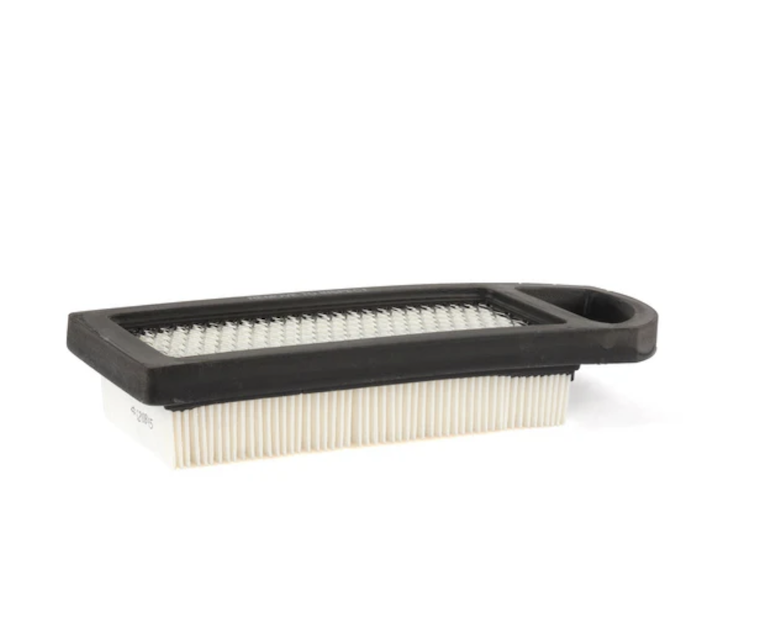
Why it needs replacing: Over time, the filter gets clogged with all that gunk. A dirty filter chokes the engine, reducing its performance and making it run "rich" (too much fuel, not enough air). This can lead to sputtering, loss of power, and even a no-start condition.
Friendly tip: Check your air filter regularly! If it's dark and grimy, it’s time for a new one. It's one of the easiest and most important maintenance tasks you can do.
Why it needs replacing: Like a worn-out flint, a spark plug’s electrodes can become fouled with carbon deposits or simply wear down over time. A faulty plug can cause misfires, rough idling, or prevent the engine from starting altogether.
Friendly tip: If your engine is hard to start or runs rough, a new spark plug is often the first thing to check. It's an inexpensive part that can make a huge difference.
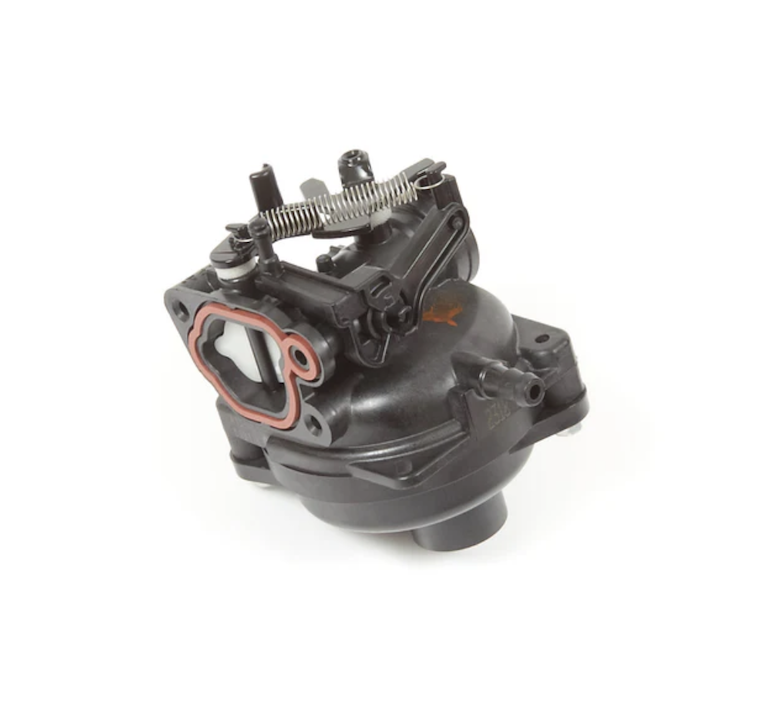
Why it needs replacing: Modern fuels, especially those containing ethanol, can be hard on carburetors. Over time, gummy deposits can build up, clogging the tiny internal passages and jets. This often leads to the engine not starting or running very poorly.
Friendly tip: While sometimes a carburetor can be cleaned, if the problem persists, a replacement is often the simplest and most reliable solution. For many small engines, a new carburetor is an affordable and quick fix.
Why it needs replacing: Just like a coffee filter, a fuel filter can get clogged. If the flow of fuel is restricted, the engine won't get the gas it needs to run, causing it to stall or lose power, especially under load.
Friendly tip: It's a small part, but a clogged fuel filter can cause big headaches. If you have an in-line fuel filter, you can often see if it’s dirty. Replacing it is a great preventative measure.
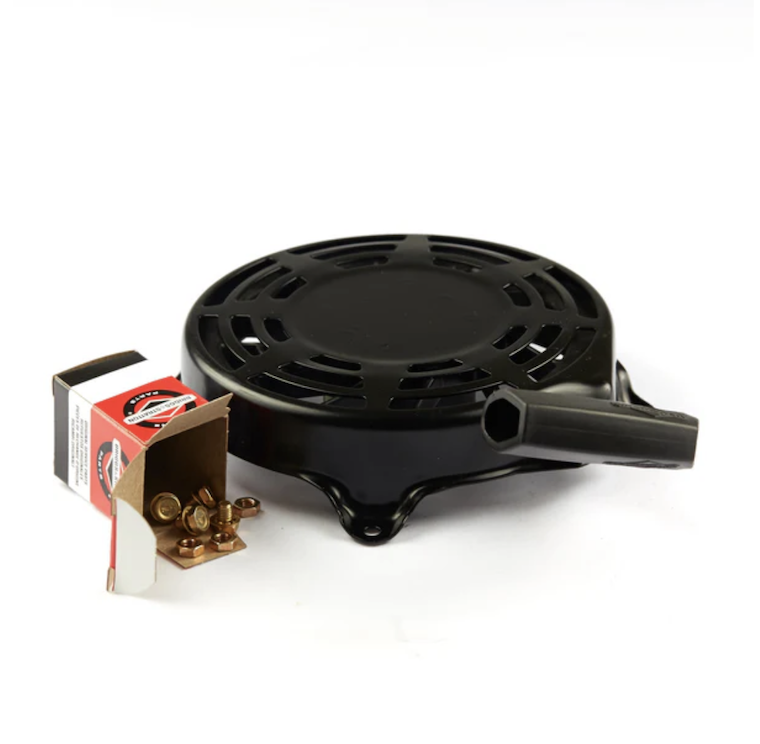
Why it needs replacing: Over time, the constant pulling can cause the rope to fray and eventually snap. The handle can also break or become uncomfortable. A broken starter rope is an immediate show-stopper.
Friendly tip: Always use a smooth, deliberate pull on the starter cord. If it feels stuck, don't yank it harder—check for other issues.
Why it needs replacing: Belts are made of rubber and textile, and they wear out. They can crack, stretch, or break from constant use, friction, and exposure to the elements. A broken belt means a loss of power to the part it controls, rendering the machine unusable.
Friendly tip: Check your belts for cracks and fraying at the beginning of each season. A worn-out belt can also slip, causing a loss of power.
Why it needs replacing: Blades get dull, bent, and chipped from hitting rocks, roots, or other hidden objects. A dull blade rips and tears the grass, leaving your lawn looking messy and unhealthy. A bent blade can cause dangerous vibrations that can damage the engine.
Friendly tip: Always replace a bent or damaged blade. For a dull blade, you can often have it sharpened, but replacing it is a good option to ensure a clean, healthy cut for your lawn.
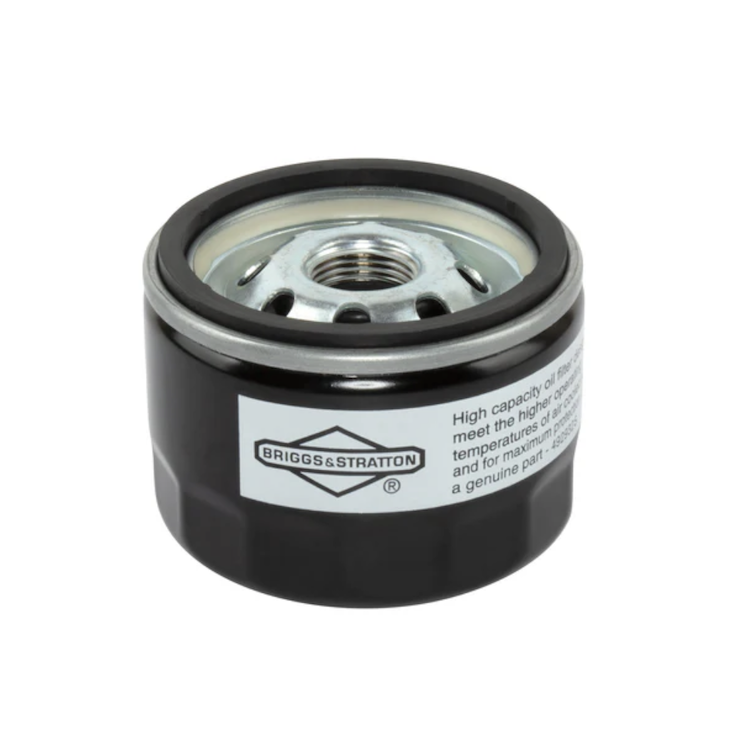
Why it needs replacing: Just like the filter in your car, the oil filter gets saturated with junk. A clogged filter can restrict oil flow, leading to increased wear and tear on internal engine components.
Friendly tip: Always replace the oil filter whenever you change the engine oil. It’s a simple step that helps extend the life of your engine.
Why it needs replacing: The rubber bulb can become brittle and crack from age and exposure to fuel and sunlight. A cracked bulb won't create the necessary vacuum to prime the carburetor, making the engine impossible to start.
Friendly tip: If your engine won't start and you see cracks in the primer bulb, a replacement is likely all you need.
Why it needs replacing: Gaskets are often damaged when a part is removed and can become brittle over time. A leaking gasket can let in unmetered air, making the engine run erratically or not at all.
Friendly tip: When replacing the carburetor or any related part, it’s a good practice to use new gaskets to ensure a tight, leak-free seal.
Staying Ready for Action
Taking the time to understand these key components and keeping a few common spare parts on hand can mean the difference between a minor repair and a major setback. Your Briggs & Stratton engine is built to last, but like any good friend, it appreciates a little care.
Much like a car, a Briggs engine needs a little TLC from time to time. Certain parts, due to wear and tear or simple maintenance cycles, need to be replaced. Knowing which parts are the "usual suspects" for a hiccup can save you time, money, and a whole lot of frustration. Think of this as your friendly guide to the top 10 most common spare parts for a Briggs & Stratton engine. These are the unsung heroes that keep your equipment running smoothly and are often the solution to a simple problem.
The Air Filter
What it does: The air filter is a vital component that acts like the engine’s lungs. It catches dirt, dust, and debris from the air before it can enter the carburetor and combustion chamber.Why it needs replacing: Over time, the filter gets clogged with all that gunk. A dirty filter chokes the engine, reducing its performance and making it run "rich" (too much fuel, not enough air). This can lead to sputtering, loss of power, and even a no-start condition.
Friendly tip: Check your air filter regularly! If it's dark and grimy, it’s time for a new one. It's one of the easiest and most important maintenance tasks you can do.
The Spark Plug
What it does: The spark plug is a small but mighty part that creates the spark needed to ignite the fuel-air mixture, kicking the engine to life.Why it needs replacing: Like a worn-out flint, a spark plug’s electrodes can become fouled with carbon deposits or simply wear down over time. A faulty plug can cause misfires, rough idling, or prevent the engine from starting altogether.
Friendly tip: If your engine is hard to start or runs rough, a new spark plug is often the first thing to check. It's an inexpensive part that can make a huge difference.
The Carburetor
What it does: The carburetor is responsible for mixing the correct amount of fuel with air. Think of it as the engine's precision chef, ensuring the perfect recipe for combustion.Why it needs replacing: Modern fuels, especially those containing ethanol, can be hard on carburetors. Over time, gummy deposits can build up, clogging the tiny internal passages and jets. This often leads to the engine not starting or running very poorly.
Friendly tip: While sometimes a carburetor can be cleaned, if the problem persists, a replacement is often the simplest and most reliable solution. For many small engines, a new carburetor is an affordable and quick fix.
The Fuel Filter
What it does: The fuel filter sits between the gas tank and the carburetor, acting as a strainer to catch any dirt, rust, or debris from the fuel.Why it needs replacing: Just like a coffee filter, a fuel filter can get clogged. If the flow of fuel is restricted, the engine won't get the gas it needs to run, causing it to stall or lose power, especially under load.
Friendly tip: It's a small part, but a clogged fuel filter can cause big headaches. If you have an in-line fuel filter, you can often see if it’s dirty. Replacing it is a great preventative measure.
The Starter Rope & Handle
What it does: This is your primary way of starting the engine. It's the physical connection between you and the internal mechanisms.Why it needs replacing: Over time, the constant pulling can cause the rope to fray and eventually snap. The handle can also break or become uncomfortable. A broken starter rope is an immediate show-stopper.
Friendly tip: Always use a smooth, deliberate pull on the starter cord. If it feels stuck, don't yank it harder—check for other issues.
The Drive Belt
What it does: On machines like riding lawnmowers and snow blowers, the drive belt is the link that transfers power from the engine to the wheels or the blades.Why it needs replacing: Belts are made of rubber and textile, and they wear out. They can crack, stretch, or break from constant use, friction, and exposure to the elements. A broken belt means a loss of power to the part it controls, rendering the machine unusable.
Friendly tip: Check your belts for cracks and fraying at the beginning of each season. A worn-out belt can also slip, causing a loss of power.
The Blade or Rotary Blade
What it does: On a lawnmower, the blade is what actually cuts the grass!Why it needs replacing: Blades get dull, bent, and chipped from hitting rocks, roots, or other hidden objects. A dull blade rips and tears the grass, leaving your lawn looking messy and unhealthy. A bent blade can cause dangerous vibrations that can damage the engine.
Friendly tip: Always replace a bent or damaged blade. For a dull blade, you can often have it sharpened, but replacing it is a good option to ensure a clean, healthy cut for your lawn.
The Oil Filter
What it does: Found on engines with a full-pressure lubrication system (like the Professional and Vanguard series), the oil filter traps contaminants and metal shavings from the oil.Why it needs replacing: Just like the filter in your car, the oil filter gets saturated with junk. A clogged filter can restrict oil flow, leading to increased wear and tear on internal engine components.
Friendly tip: Always replace the oil filter whenever you change the engine oil. It’s a simple step that helps extend the life of your engine.
The Primer Bulb
What it does: On many entry-level engines, the primer bulb is a small rubber button that you press to "prime" the carburetor with a little fuel before starting.Why it needs replacing: The rubber bulb can become brittle and crack from age and exposure to fuel and sunlight. A cracked bulb won't create the necessary vacuum to prime the carburetor, making the engine impossible to start.
Friendly tip: If your engine won't start and you see cracks in the primer bulb, a replacement is likely all you need.
The Carburetor Gasket Kit
What it does: Gaskets are thin, paper-like seals that sit between parts like the carburetor and the engine to prevent air or fuel leaks.Why it needs replacing: Gaskets are often damaged when a part is removed and can become brittle over time. A leaking gasket can let in unmetered air, making the engine run erratically or not at all.
Friendly tip: When replacing the carburetor or any related part, it’s a good practice to use new gaskets to ensure a tight, leak-free seal.
Staying Ready for Action
Taking the time to understand these key components and keeping a few common spare parts on hand can mean the difference between a minor repair and a major setback. Your Briggs & Stratton engine is built to last, but like any good friend, it appreciates a little care.